
Photo: Fishercd · CC0 · via Wikimedia Commons, shown in greyscale
Topic 05 of 18 · Country Index 2026
Djibouti: Health & Wellbeing
How long, and how well fed, do people live?
Djibouti is placed 170th of 200 countries on health & wellbeing in the Country Index 2026, from 3 of its 4 key statistics. Readings behind it: Life Expectancy at Birth 65.99 (2023); Under-Five Mortality Rate 48.86 (2024).
Share
Health & Wellbeing
170th
of 200 countries placed
Placed from 3 of 4 key statistics
- 65.99Life Expectancy at Birth, 2023Years a newborn would live at current death rates
- 48.86Under-Five Mortality Rate, 2024Deaths before age five (per 1,000 live births)
- 25.47Stunting Prevalence in Children Under Five, 2024Children under 5 who are stunted (%)
- —Prevalence of Severe Food Insecurity, 2024No reading for this country
01The evidence
The 4 key statistics that decide it
Only these place Djibouti on health & wellbeing — one vote each. Every value is the publisher’s own, read at the edition the Country Index 2026 used — or, for a survey-based key, each country’s latest reading; the grey ticks are every other country it was compared with, lowest on the left.
Key 1 of 4
Life Expectancy at Birth
UN DESA Population Division
2023 edition · data for 2023 · CC BY 3.0 IGO
65.99
Years a newborn would live at current death rates
Higher is better
Djibouti: 65.99. Across the 222 countries in this edition, values run from 54.46 (Nigeria) to 86.37 (Monaco); the world median is 74.63.
- World median
- 74.63
- Best in Eastern Africa
- 74.93 Mauritius
- Land neighbours
- Eritrea 68.62 · Ethiopia 67.31
Key 2 of 4
Under-Five Mortality Rate
UN Inter-agency Group for Child Mortality Estimation (UN IGME)
2024 edition · data for 2024 · CC BY 3.0 IGO
48.86
Deaths before age five (per 1,000 live births)
Lower is better
Djibouti: 48.86. Across the 200 countries in this edition, values run from 1.26 (San Marino) to 115.65 (Nigeria); the world median is 14.54.
- World median
- 14.54
- Best in Eastern Africa
- 13.96 Seychelles
- Land neighbours
- Eritrea 34.3 · Ethiopia 44.5
Key 3 of 4
Stunting Prevalence in Children Under Five
UNICEF, WHO and World Bank Group (Joint Malnutrition Estimates)
Latest reading per country, 2014–2024 · Djibouti’s is from 2023 · CC BY 3.0 IGO
25.47
Children under 5 who are stunted (%)
Lower is better
Djibouti: 25.47. Across the 162 countries at their latest reading, values run from 0.518 (Latvia) to 52.8 (Burundi); the world median is 13.8.
- World median
- 13.8
- Best in Eastern Africa
- 7.917 Seychelles
- Land neighbours
- Eritrea 52.53 · Ethiopia 36.78
Key 4 of 4
Prevalence of Severe Food Insecurity
Food and Agriculture Organization of the United Nations (FAO)
2024 edition · data for 2024 · CC BY 4.0
No reading
Population in severe food insecurity (%)
Lower is better
FAO publishes no 2024 figure for Djibouti, so the standing rests on the other keys.
Across the 125 countries in this edition, values run from 0.6 (Brazil) to 62.9 (South Sudan); the world median is 4.9.
- World median
- 4.9
- Best in Eastern Africa
- 12.2 Mauritius
- Land neighbours
- Ethiopia 16.6
02Over time
Which way Djibouti is moving
Each key’s published value, edition by edition, beside the world median. The Country Index 2026 is the first edition of the standing, so the standing itself has no history to chart yet.
Life Expectancy at Birth
Years a newborn would live at current death rates · higher is better
DjiboutiWorld median
Djibouti rose from 56.73 in 2000 to 65.99 in 2023; the world median went from 70.68 to 74.63.
Every year’s figures
Year Djibouti World median 2023 66.0 74.630 2022 65.5 74.313 2021 63.8 72.433 2020 64.2 73.063 2019 64.4 74.196 2018 64.1 74.081 2017 63.7 74.029 2016 63.3 74.013 2015 62.8 73.783 2014 62.4 73.330 2013 62.1 73.386 2012 61.7 73.210 2011 61.3 73.003 2010 60.7 72.827 2009 60.4 72.426 2008 59.8 72.264 2007 59.4 72.113 2006 59.0 72.027 2005 58.5 71.876 2004 58.1 71.477 2003 58.0 71.409 2002 57.8 71.173 2001 57.5 70.926 2000 56.7 70.678 Under-Five Mortality Rate
Deaths before age five (per 1,000 live births) · lower is better
DjiboutiWorld median
Djibouti fell from 98.46 in 2000 to 48.86 in 2024; the world median went from 30.43 to 14.54.
Every year’s figures
Year Djibouti World median 2024 49 14.5 2023 51 15.2 2022 52 14.7 2021 54 15.1 2020 56 15.3 2019 57 15.7 2018 59 16.3 2017 61 16.8 2016 63 17.5 2015 65 17.9 2014 67 18.3 2013 69 18.7 2012 71 18.8 2011 73 19.0 2010 76 19.2 2009 78 20.8 2008 80 20.7 2007 82 21.8 2006 85 22.8 2005 87 24.0 2004 89 25.9 2003 92 26.9 2002 94 28.0 2001 96 29.1 2000 98 30.4 Prevalence of Severe Food Insecurity
Population in severe food insecurity (%) · lower is better
DjiboutiWorld median
Djibouti was at 16.5 in both 2020 and 2022; the world median went from 5.6 to 5.45.
Every year’s figures
Year Djibouti World median 2024 — 4.9 2023 — 4.7 2022 17 5.4 2021 17 5.7 2020 17 5.6 2019 — 5.0 2018 — 4.2 2017 — 4.0 2016 — 3.4 2015 — 3.4
03In context
Djibouti beside its neighbours
A position reads best beside the countries around it. Every position below is a place among all 200 countries on health & wellbeing, never a place within the region.
Djibouti and the countries it borders
Standing among all 200; the key columns are the publishers’ own values.
| Country | Standing | Life Expectancy at BirthYears a newborn would live at current death rates | Under-Five Mortality RateDeaths before age five (per 1,000 live births) | Stunting Prevalence in Children Under FiveChildren under 5 who are stunted (%) | Prevalence of Severe Food InsecurityPopulation in severe food insecurity (%) |
|---|---|---|---|---|---|
 Eritrea | =152nd | 68.62 | 34.3 | 52.53 | — |
| Djibouti | 170th | 65.99 | 48.86 | 25.47 | — |
 Ethiopia | 173rd | 67.31 | 44.5 | 36.78 | 16.6 |
| Somaliland | not placed | — | — | — | — |
“—”: no published reading in that edition. What a standing is
Across Eastern Africa
Every country in the sub-region, by its place among all 200.

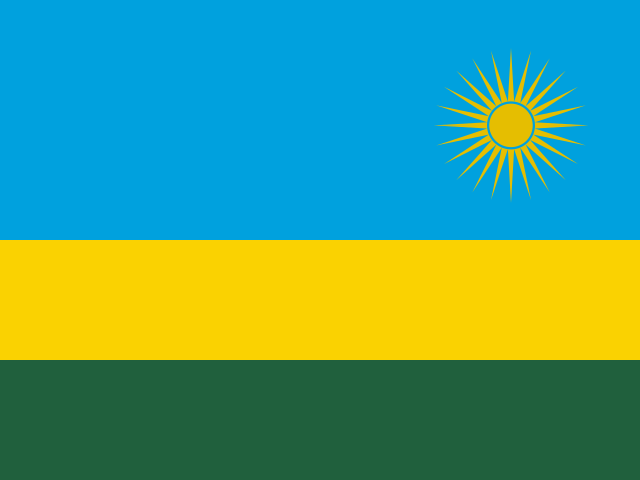
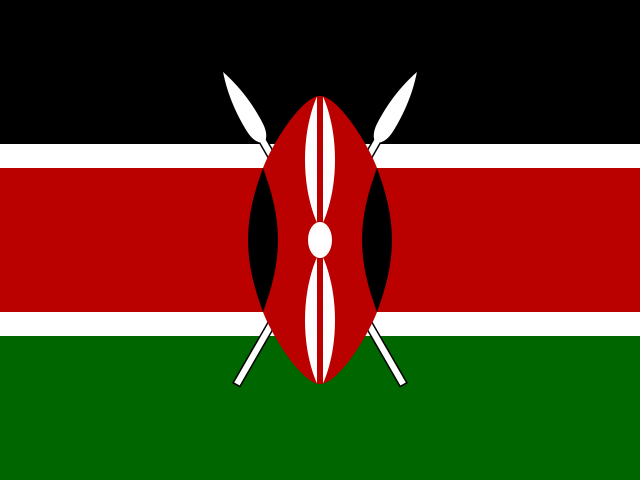
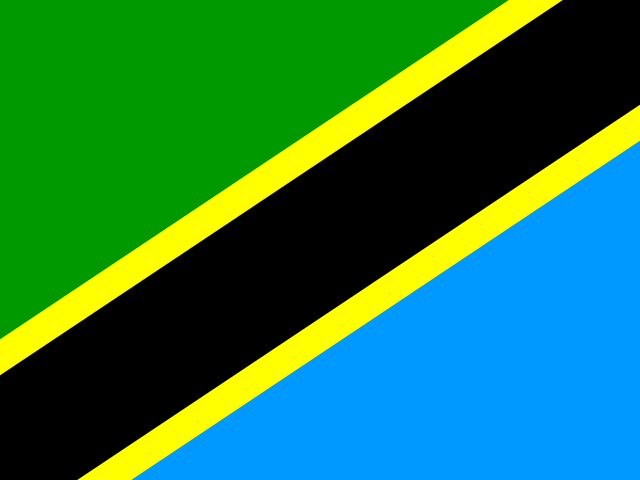


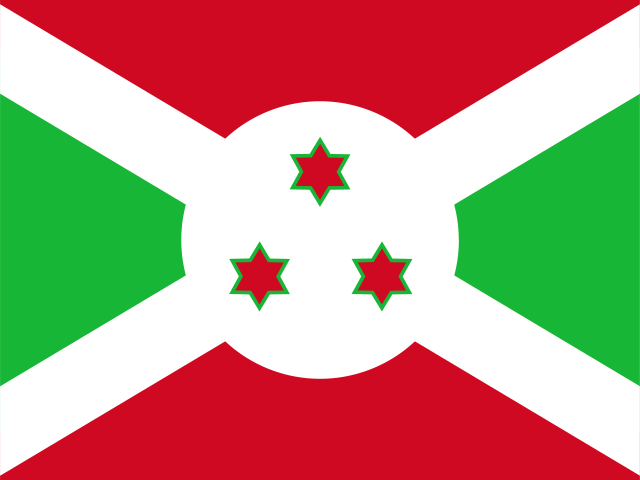
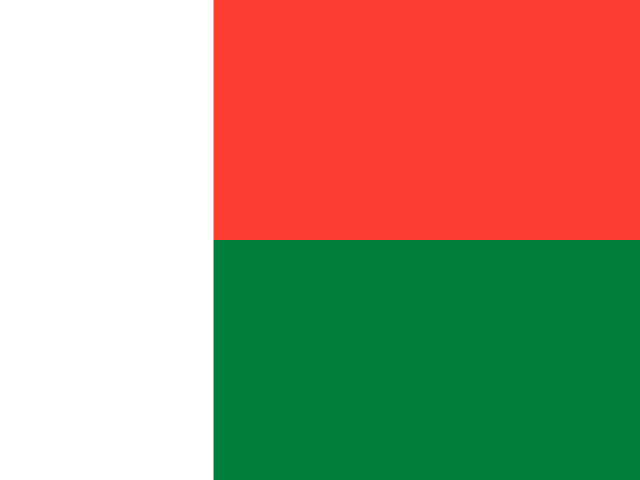
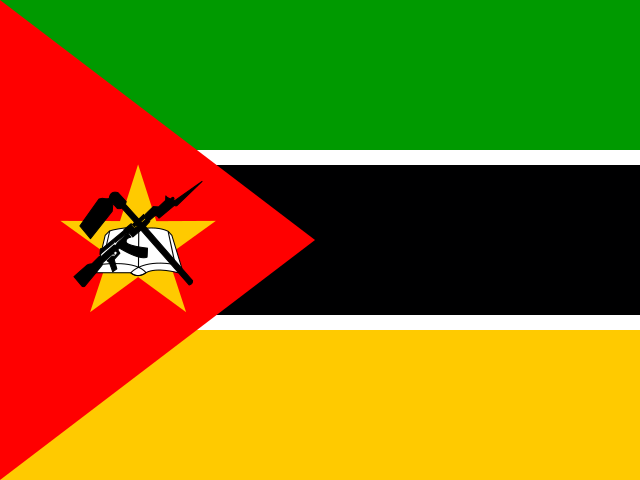
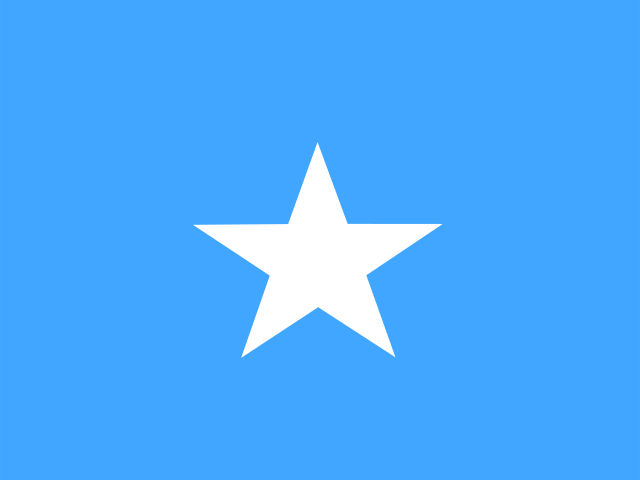
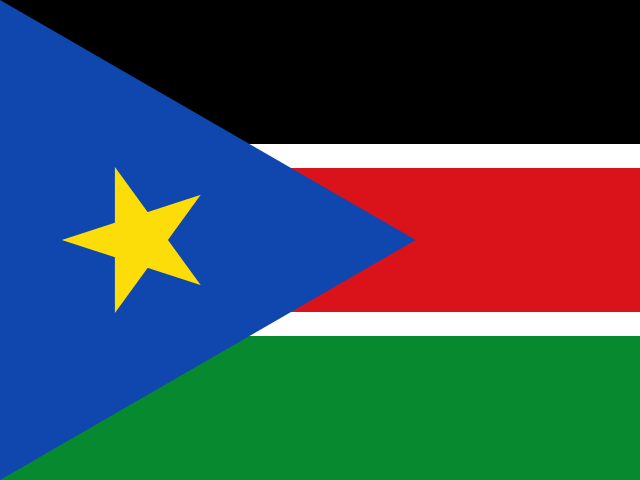
Placed either side on health & wellbeing
The countries immediately above and below Djibouti in the topic’s list.


04Context, no vote
Where Djibouti is ahead of the world, and behind
47 more statistics filed under health & wellbeing, published in full and deliberately given no vote in the standing. Select a row for the publisher, the rank and the links.
Ahead of the world median7
Statistics on which Djibouti does better than the middle country measured.
Care-Seeking for Children with Symptoms of PneumoniaUNICEF · 2024 · world median 67.794.467.7No earlier reading
Djibouti: 94.4 · world median 67.7 · Children under 5 with pneumonia symptoms taken to a health provider (%). UNICEF, 2024 edition, data for 2024.
Published values in that edition run from 14 to 99.1; higher is better.
Position 2nd of 127 · derived.
Oral Rehydration Salts for Children with DiarrhoeaUNICEF · 2024 · world median 41.593.641.5No earlier reading
Djibouti: 93.6 · world median 41.5 · Children under 5 with diarrhoea given oral rehydration salts (%). UNICEF, 2024 edition, data for 2024.
Published values in that edition run from 9.9 to 95.4; higher is better.
Position 2nd of 127 · derived.
INFORM Severity IndexACAPS · 2025 · world median 3.12.63.1▲ Improved since 2020
Djibouti: 2.6 · world median 3.1 · INFORM Severity (1–5, most severe crisis). ACAPS, 2025 edition, data for 2025.
Published values in that edition run from 1.3 to 4.7; lower is better.
Position 52nd of 81 · derived, 1st = worst.
Adolescent Birth Rate (Ages 15–19)UN DESA Population Division · 2023 · world median 27.4618.9727.46▼ Worsened since 2013
Djibouti: 18.97 · world median 27.46 · Live births per 1,000 women aged 15–19. UN DESA Population Division, 2023 edition, data for 2023.
Published values in that edition run from 0.465 to 163.09; lower is better.
Position 133rd of 222 · derived, 1st = worst.
Vegetable Supply per PersonFAO · 2023 · world median 102.69115.65102.69▲ Improved since 2013
Djibouti: 115.65 · world median 102.69 · Vegetables available as food (kg per person per year). Food and Agriculture Organization of the United Nations (FAO), 2023 edition, data for 2023.
Published values in that edition run from 6.89 to 412.72; higher is better.
Overweight Prevalence in Children Under FiveUNICEF, WHO and World Bank Group (Joint Malnutrition Estimates) · 2024 · world median 5.55.4635.5▼ Worsened since 2014
Djibouti: 5.463 · world median 5.5 · Children under 5 who are overweight (%). UNICEF, WHO and World Bank Group (Joint Malnutrition Estimates), 2024 edition, data for 2024.
Published values in that edition run from 0.623 to 26.43; lower is better.
Position 85th of 163 · derived, 1st = worst.
Malaria Incidence (P. falciparum)MAP · 2025 · world median 52.4751.3752.47No real change since 2015
Djibouti: 51.37 · world median 52.47 · New P. falciparum malaria cases per 1,000 people per year. Malaria Atlas Project (MAP), 2025 edition, data for 2025.
Published values in that edition run from 0 to 334.75; lower is better.
Behind the world median31
Statistics on which Djibouti does worse than the middle country measured.
Malaria Mortality (P. falciparum)MAP · 2024 · world median 8.10611.098.106▲ Improved since 2014
Djibouti: 11.09 · world median 8.106 · Deaths from P. falciparum malaria per 100,000 people per year. Malaria Atlas Project (MAP), 2024 edition, data for 2024.
Published values in that edition run from 0 to 133.27; lower is better.
Early Initiation of BreastfeedingUNICEF · 2024 · world median 52.955252.95No earlier reading
Djibouti: 52 · world median 52.95 · Newborns put to the breast within one hour of birth (%). UNICEF, 2024 edition, data for 2024.
Published values in that edition run from 7.749 to 93.1; higher is better.
Position 73rd of 136 · derived.
Global Report on Food CrisesFSIN · 2024 · world median 222422▲ Improved since 2016
Djibouti: 24 · world median 22 · In IPC Phase 3+ (% of analysed population). Food Security Information Network (FSIN), 2025 edition, data for 2024.
Published values in that edition run from 3 to 56; lower is better.
Position 19th of 44 · derived, 1st = worst.
Dietary Energy SupplyFAO · 2024 · world median 2,9822,7172,982No real change since 2014
Djibouti: 2,717 · world median 2,982 · Dietary energy supply (kcal per person per day). Food and Agriculture Organization of the United Nations (FAO), 2024 edition, data for 2024.
Published values in that edition run from 1,757 to 3,962; higher is better.
Position 109th of 155 · derived.
Institutional DeliveriesUNICEF · 2025 · world median 96.986.796.9No earlier reading
Djibouti: 86.7 · world median 96.9 · Live births delivered in a health facility (%). UNICEF, 2025 edition, data for 2025.
Published values in that edition run from 11.5 to 100; higher is better.
Gender Inequality IndexUNDP Human Development Report Office · 2023 · world median 0.3510.4810.351▲ Improved since 2017
Djibouti: 0.481 · world median 0.351 · GII (0 = full equality, 1 = maximum inequality). UNDP Human Development Report Office, 2023 edition, data for 2023.
Published values in that edition run from 0.003 to 0.838; lower is better.
Ranked 122nd of 172 by UNDP Human Development Report Office.
Share of Population Unable to Afford a Healthy DietFAO · 2025 · world median 26.449.826.4No real change since 2017
Djibouti: 49.8 · world median 26.4 · Share of the population unable to afford a healthy diet (%). Food and Agriculture Organization of the United Nations (FAO), 2025 edition, data for 2025.
Published values in that edition run from 0.6 to 93.9; lower is better.
Position 42nd of 145 · derived, 1st = worst.
PM2.5 Air Pollution ExposureAtmospheric Composition Analysis Group, Washington University in St. Louis · 2023 · world median 14.4523.114.45▲ Improved since 2013
Djibouti: 23.1 · world median 14.45 · Population-weighted PM2.5 concentration (µg/m³). Atmospheric Composition Analysis Group, Washington University in St. Louis, 2023 edition, data for 2023.
Published values in that edition run from 2.5 to 68.2; lower is better.
Position 60th of 220 · derived, 1st = worst.
Immunisation Coverage, DTP3WUENIC · 2025 · world median 918391▲ Improved since 2015
Djibouti: 83 · world median 91 · Infants given a third dose of DTP vaccine (%). WHO and UNICEF (WUENIC), 2025 edition, data for 2025.
Published values in that edition run from 39 to 99; higher is better.
Share of Dietary Energy Supply from Cereals, Roots and TubersFAO · 2022 · world median 415341▲ Improved since 2012
Djibouti: 53 · world median 41 · Share of dietary energy supply from cereals, roots and tubers (%). Food and Agriculture Organization of the United Nations (FAO), 2022 edition, data for 2022.
Published values in that edition run from 21 to 82; lower is better.
Life Expectancy at Age 65UN DESA Population Division · 2023 · world median 16.3914.3316.39No real change since 2013
Djibouti: 14.33 · world median 16.39 · Further years a 65-year-old would live at current death rates. UN DESA Population Division, 2023 edition, data for 2023.
Published values in that edition run from 12.13 to 23.21; higher is better.
Position 163rd of 222 · derived.
Prevalence of UndernourishmentFAO · 2023 · world median 5.212.95.2▲ Improved since 2013
Djibouti: 12.9 · world median 5.2 · Population undernourished (%). Food and Agriculture Organization of the United Nations (FAO), 2023 edition, data for 2023.
Published values in that edition run from 2.5 to 54.2; lower is better.
Position 44th of 104 · derived, 1st = worst.
Coefficient of Variation of Habitual Caloric ConsumptionFAO · 2024 · world median 0.250.30.25▲ Improved since 2014
Djibouti: 0.3 · world median 0.25 · Coefficient of variation of habitual calorie consumption across the population (standard deviation ÷ mean). Food and Agriculture Organization of the United Nations (FAO), 2024 edition, data for 2024.
Published values in that edition run from 0.17 to 0.4; lower is better.
Maternal Mortality RatioMMEIG · 2023 · world median 46.65161.8846.65▼ Worsened since 2013
Djibouti: 161.88 · world median 46.65 · Maternal deaths per 100,000 live births. UN Maternal Mortality Estimation Inter-Agency Group (MMEIG), 2023 edition, data for 2023.
Published values in that edition run from 0.11 to 992.83; lower is better.
Position 47th of 195 · derived, 1st = worst.
Demand for Family Planning Satisfied by Modern MethodsUN DESA Population Division · 2023 · world median 71.255271.25▲ Improved since 2013
Djibouti: 52 · world median 71.25 · Share of women aged 15–49 wanting to avoid pregnancy who use a modern method (%). UN DESA Population Division, 2023 edition, data for 2023.
Published values in that edition run from 8.4 to 92.4; higher is better.
Position 154th of 196 · derived.
Immunisation Coverage, Measles First Dose (MCV1)WUENIC · 2025 · world median 907590▲ Improved since 2015
Djibouti: 75 · world median 90 · Infants given a first dose of measles vaccine (%). WHO and UNICEF (WUENIC), 2025 edition, data for 2025.
Published values in that edition run from 13 to 99; higher is better.
Adult Mortality (Probability of Dying Between 15 and 60)UN DESA Population Division · 2023 · world median 133.7212.24133.7No real change since 2013
Djibouti: 212.24 · world median 133.7 · Deaths before age 60 per 1,000 people alive at 15, at that year's death rates. UN DESA Population Division, 2023 edition, data for 2023.
Published values in that edition run from 25.15 to 415.44; lower is better.
Position 43rd of 222 · derived, 1st = worst.
Malaria Incidence (P. vivax)MAP · 2025 · world median 1.38222.271.382▼ Worsened since 2015
Djibouti: 22.27 · world median 1.382 · New P. vivax malaria cases per 1,000 people per year. Malaria Atlas Project (MAP), 2025 edition, data for 2025.
Published values in that edition run from 0.001 to 184.62; lower is better.
Fruit Supply per PersonFAO · 2023 · world median 84.8339.4984.83▲ Improved since 2013
Djibouti: 39.49 · world median 84.83 · Fruit available as food, excluding wine (kg per person per year). Food and Agriculture Organization of the United Nations (FAO), 2023 edition, data for 2023.
Published values in that edition run from 4.27 to 379.63; higher is better.
Mortality Rate, Ages 5–14UN IGME · 2024 · world median 2.85811.232.858▲ Improved since 2014
Djibouti: 11.23 · world median 2.858 · Deaths between ages 5 and 14 (per 1,000 children aged 5). UN Inter-agency Group for Child Mortality Estimation (UN IGME), 2024 edition, data for 2024.
Published values in that edition run from 0.392 to 59.04; lower is better.
Position 24th of 200 · derived, 1st = worst.
Infant Mortality RateUN IGME · 2024 · world median 12.264312.26▲ Improved since 2014
Djibouti: 43 · world median 12.26 · Deaths before age one (per 1,000 live births). UN Inter-agency Group for Child Mortality Estimation (UN IGME), 2024 edition, data for 2024.
Published values in that edition run from 1.214 to 71.87; lower is better.
Position 21st of 200 · derived, 1st = worst.
Human Development IndexUNDP Human Development Report Office · 2023 · world median 0.7620.5130.762▲ Improved since 2013
Djibouti: 0.513 · world median 0.762 · HDI score (0–1). UNDP Human Development Report Office, 2023 edition, data for 2023.
Published values in that edition run from 0.388 to 0.972; higher is better.
Ranked 175th of 193 by UNDP Human Development Report Office.
Neonatal Mortality RateUN IGME · 2024 · world median 8.13427.078.134▲ Improved since 2014
Djibouti: 27.07 · world median 8.134 · Deaths in the first 28 days (per 1,000 live births). UN Inter-agency Group for Child Mortality Estimation (UN IGME), 2024 edition, data for 2024.
Published values in that edition run from 0.544 to 39.47; lower is better.
Position 19th of 200 · derived, 1st = worst.
HPV Vaccination Coverage, GirlsWUENIC · 2025 · world median 65.51065.5No earlier reading
Djibouti: 10 · world median 65.5 · Girls in the target group given the final dose of HPV vaccine (%). WHO and UNICEF (WUENIC), 2025 edition, data for 2025.
Published values in that edition run from 1 to 99; higher is better.
Insecticide-Treated Net UseMAP · 2025 · world median 4513.4145▲ Improved since 2015
Djibouti: 13.41 · world median 45 · Population that slept under an insecticide-treated net (%). Malaria Atlas Project (MAP), 2025 edition, data for 2025.
Published values in that edition run from 8.586 to 88.58; higher is better.
Female Genital Mutilation PrevalenceUNICEF · 2024 · world median 34.190.134.1No earlier reading
Djibouti: 90.1 · world median 34.1 · Women aged 15-49 who have undergone FGM (%). UNICEF, 2024 edition, data for 2024.
Published values in that edition run from 0.3 to 99.2; lower is better.
Wasting Prevalence in Children Under FiveUNICEF, WHO and World Bank Group (Joint Malnutrition Estimates) · 2024 · world median 3.54612.13.546No earlier reading
Djibouti: 12.1 · world median 3.546 · Children under 5 who are wasted (%). UNICEF, WHO and World Bank Group (Joint Malnutrition Estimates), 2024 edition, data for 2024.
Published values in that edition run from 0.1 to 22.74; lower is better.
Position 10th of 163 · derived, 1st = worst.
Exclusive Breastfeeding Under Six MonthsUNICEF · 2024 · world median 40.7412.440.74No earlier reading
Djibouti: 12.4 · world median 40.74 · Infants under 6 months exclusively breastfed (%). UNICEF, 2024 edition, data for 2024.
Published values in that edition run from 3.497 to 83.3; higher is better.
Position 130th of 136 · derived.
Days Above 35°CECMWF · 2025 · world median 3.48174.323.48No real change since 2015
Djibouti: 174.32 · world median 3.48 · Days a year with a maximum temperature above 35°C, averaged over the country’s land. World Bank Group (Climate Change Knowledge Portal), from Copernicus ERA5 (ECMWF), 2025 edition, data for 2025.
Published values in that edition run from 0 to 222.89; lower is better.
Stillbirth RateUN IGME · 2023 · world median 8.16329.758.163No real change since 2013
Djibouti: 29.75 · world median 8.163 · Stillbirths (per 1,000 total births). UN Inter-agency Group for Child Mortality Estimation (UN IGME), 2023 edition, data for 2023.
Published values in that edition run from 1.18 to 34.9; lower is better.
Position 3rd of 200 · derived, 1st = worst.
Antenatal Care Coverage, At Least Four VisitsUNICEF · 2025 · world median 8122.681No earlier reading
Djibouti: 22.6 · world median 81 · Women with a live birth who had 4+ antenatal visits (%). UNICEF, 2025 edition, data for 2025.
Published values in that edition run from 22.6 to 100; higher is better.
Position 153rd of 153 · derived.
No better end9
These describe the shape of a country — more is not better or worse, only different — so they are never ahead or behind.
Pesticide Use per HectareFAO · 2024 · world median 1.7325.691.73Moved since 2014
Djibouti: 25.69 · world median 1.73 · Pesticide use (kg per hectare of cropland). Food and Agriculture Organization of the United Nations (FAO), 2024 edition, data for 2024.
Published values in that edition run from 0 to 37.72.
Position 4th of 178 · derived, counted from the highest value.
Cost of a Healthy DietFAO · 2025 · world median 4.554.844.55Moved since 2017
Djibouti: 4.84 · world median 4.55 · Cost of the cheapest locally available healthy diet, PPP dollars per person per day. Food and Agriculture Organization of the United Nations (FAO), 2025 edition, data for 2025.
Published values in that edition run from 2.66 to 8.27.
Caesarean Section RateUNICEF · 2025 · world median 20.651120.65No earlier reading
Djibouti: 11 · world median 20.65 · Live births delivered by caesarean section (%). UNICEF, 2025 edition, data for 2025.
Published values in that edition run from 0.6 to 72.2.
Fish and Seafood Supply per PersonFAO · 2023 · world median 16.175.3116.17Moved since 2013
Djibouti: 5.31 · world median 16.17 · Fish and seafood available as food (kg per person per year, live-weight equivalent). Food and Agriculture Organization of the United Nations (FAO), 2023 edition, data for 2023.
Published values in that edition run from 0.38 to 83.81.
Meat Supply per PersonFAO · 2023 · world median 57.8314.0757.83Moved since 2013
Djibouti: 14.07 · world median 57.83 · Meat available as food (kg per person per year, carcass weight). Food and Agriculture Organization of the United Nations (FAO), 2023 edition, data for 2023.
Published values in that edition run from 3.49 to 156.95.
Average Weekly Hours WorkedILO · 2025 · world median 38.8930.7738.89Moved since 2015
Djibouti: 30.77 · world median 38.89 · Average weekly hours actually worked per employed person. International Labour Organization (ILO), 2025 edition, data for 2025.
Published values in that edition run from 23.64 to 54.7.
Position 165th of 182 · derived, counted from the highest value.
Modern Contraceptive PrevalenceUN DESA Population Division · 2023 · world median 35.414.635.4No real change since 2013
Djibouti: 14.6 · world median 35.4 · Share of all women aged 15–49 using a modern contraceptive method (%). UN DESA Population Division, 2023 edition, data for 2023.
Published values in that edition run from 2 to 73.8.
Catastrophic Out-of-Pocket Health SpendingWorld Bank Group · 2019 · world median 6.881.4656.88No earlier reading
Djibouti: 1.465 · world median 6.88 · Population in households spending more than 10% of their budget on health out of pocket (%). World Bank Group, 2019 edition, data for 2019.
Published values in that edition run from 0.133 to 31.21.
Contraceptive Prevalence (Any Method)UN DESA Population Division · 2023 · world median 41.2515.241.25No real change since 2013
Djibouti: 15.2 · world median 41.25 · Share of all women aged 15–49 using any contraceptive method (%). UN DESA Population Division, 2023 edition, data for 2023.
Published values in that edition run from 6.6 to 78.7.
No current reading for Djibouti
Adults Who Have Been Too Anxious or Depressed to Carry On, Agreement That Vaccines Are Safe, Births Attended by Skilled Health Staff (last 2012), Children with Functional Difficulties, Excess Mortality During the COVID-19 Pandemic, Fatal Occupational Injuries, Global Multidimensional Poverty Index (last 2018), Human Capital Index, Low Birthweight Prevalence, Minimum Dietary Diversity, Children Aged 6–23 Months, Postnatal Care for Newborns Within Two Days, Prevalence of Moderate or Severe Food Insecurity (last 2022), Prevalence of Severe Food Insecurity (last 2022), Severe Child Food Poverty, Children Aged 6–23 Months and Violent Discipline of Children. Listed rather than hidden, so the page can be checked against it.
“Position · derived” is this site’s ordering of the published values, 1st = best unless the row says otherwise; the publisher ranks no country on it. Rank, position and standing
05Country Index 2026
Health & Wellbeing among Djibouti’s 15 topics
Health & Wellbeing is Djibouti’s 12th best-placed topic of 15. Strongest first, each marker at its share of that topic’s field.
- Environment & Sustainability30th of 1862/4 keys
- Energy75th of 1652/3 keys
- Gender & Equality110th of 1833/4 keys
- Mobility & Trade125th of 1773/4 keys
- Peace & Securityjoint 128th of 1773/4 keys
- Food & Agriculture135th of 1843/4 keys
- Economy & Innovation135th of 1762/4 keys
- Governance & Institutions159th of 1944/4 keys
- Digital & Technology163rd of 1984/4 keys
- Development & Human Capital163rd of 1963/3 keys
- Poverty & Inequality135th of 1593/3 keys
- Health & Wellbeing170th of 2003/4 keys
- Democracy & Civil Liberties171st of 1984/4 keys
- Risk & Resilience179th of 1933/4 keys
- Work & Labour173rd of 1824/4 keys
No standing on Education & Knowledge: too few of those topics’ key statistics are published for this country.
06The top of the list
Who leads on health & wellbeing
The three countries placed highest of 200, and the leaders Djibouti can most readily be measured against.
 1
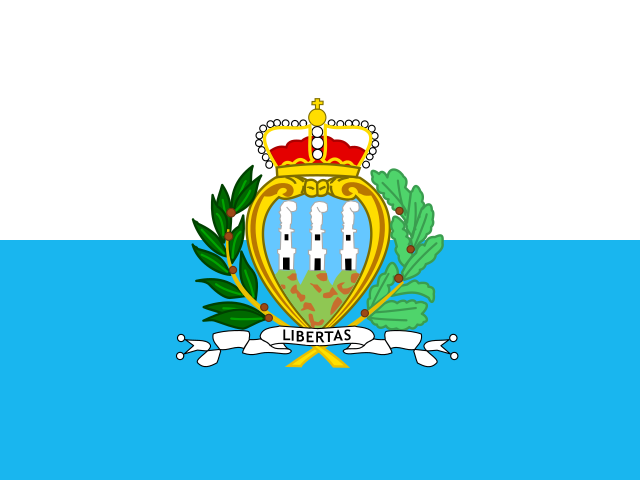 San Marino
Southern Europe
1st of 200 · 2 of 4 keys
Photo: Matl derivative work: Jjtkk · CC BY-SA 3.0, greyscale
 2
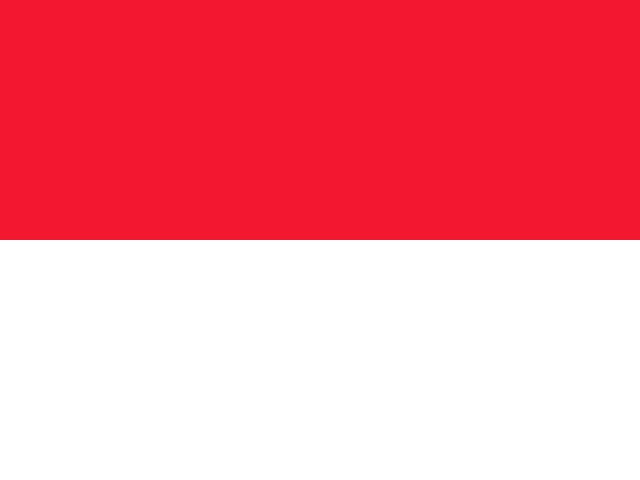 Monaco
Western Europe
2nd of 200 · 2 of 4 keys
Photo: Martin Weber derivative work: Jjtkk · CC BY-SA 3.0, greyscale
 3
 Andorra
Southern Europe
3rd of 200 · 2 of 4 keys
Photo: Tiia Monto derivative work: Jjtkk · CC BY-SA 3.0, greyscale
Placed highest nearby
Highest placed on all 4 keys
 South Korea5th4/4 keys
Highest in Africa
 Cabo Verde80th4/4 keys
Highest in Eastern Africa
 Seychelles108th2/4 keys
This page
Djibouti170th3/4 keys
Positions out of 200 placed on the topic. A country needs readings on enough keys to be placed, and the top of the list is often held on fewer of them.
07Analysis
Charts and analysis about Djibouti and health & wellbeing
On health & wellbeing
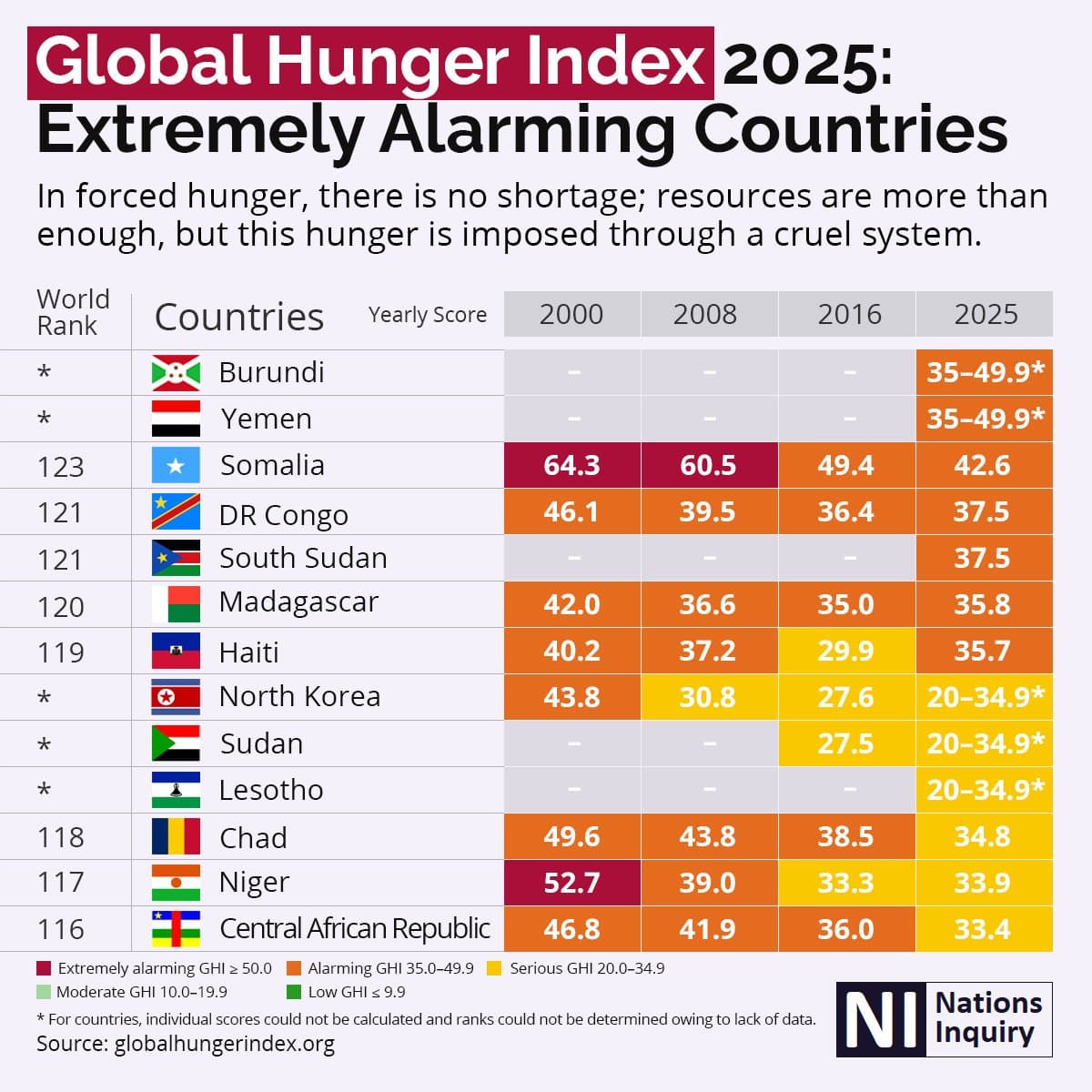
Global Hunger Index 2025: Countries with the Most Alarming Hunger Crisis
Thirteen countries scored across four editions — 2000, 2008, 2016 and 2025 — and five the report could not score at all. DR Congo and South Sudan share 121st place on 37.5.
On health & wellbeing
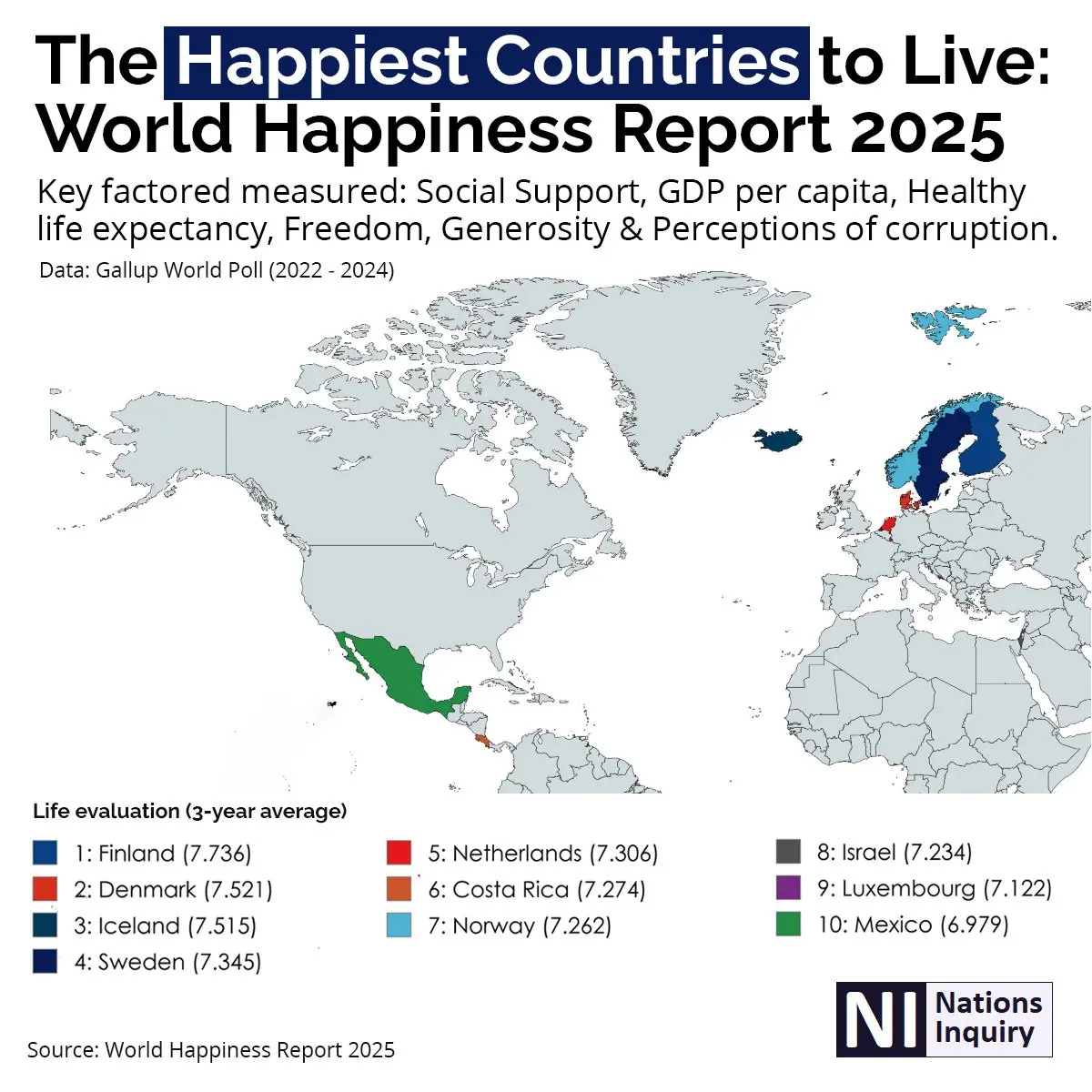
World Happiness Report 2025: Finland Leads Again as the US and UK Face Major Declines
The ten highest life evaluations of 2025, drawn on a world map, and the six things the report uses to explain them. Costa Rica and Mexico are the only two outside Europe and the Middle East.
08Questions
Djibouti on health & wellbeing: questions answered
Every answer is built from the numbers on this page, so none can say something the page does not.
How does Djibouti rank on health & wellbeing?
Djibouti is placed 170th of 200 countries on Health & Wellbeing in the Country Index 2026, from 3 of its 4 key statistics (Life Expectancy at Birth, Under-Five Mortality Rate and Stunting Prevalence in Children Under Five). The position is this site’s ordering of published statistics, not a rank any publisher printed.
What is the latest Life Expectancy at Birth figure for Djibouti?
65.99 in 2023 (years a newborn would live at current death rates), according to UN DESA Population Division. The world median in the same edition was 74.63.
What is the latest Under-Five Mortality Rate figure for Djibouti?
48.86 in 2024 (deaths before age five (per 1,000 live births)), according to UN Inter-agency Group for Child Mortality Estimation (UN IGME). The world median in the same edition was 14.54.
How does Djibouti compare with Ethiopia on health & wellbeing?
Ethiopia is placed 173rd of 200, and Djibouti 170th. Life Expectancy at Birth: Ethiopia 67.31, Djibouti 65.99; Under-Five Mortality Rate: Ethiopia 44.5, Djibouti 48.86; Stunting Prevalence in Children Under Five: Ethiopia 36.78, Djibouti 25.47.
How have Djibouti’s health & wellbeing figures changed?
Life Expectancy at Birth rose from 56.73 in 2000 to 65.99 in 2023; Under-Five Mortality Rate fell from 98.46 in 2000 to 48.86 in 2024; Prevalence of Severe Food Insecurity was 16.5 in both 2020 and 2022.
Which health & wellbeing statistics are missing for Djibouti?
No current reading is published for Djibouti on Adults Who Have Been Too Anxious or Depressed to Carry On, Agreement That Vaccines Are Safe, Births Attended by Skilled Health Staff, Children with Functional Difficulties, Excess Mortality During the COVID-19 Pandemic, Fatal Occupational Injuries, Global Multidimensional Poverty Index, Human Capital Index, Low Birthweight Prevalence, Minimum Dietary Diversity, Children Aged 6–23 Months, Postnatal Care for Newborns Within Two Days, Prevalence of Moderate or Severe Food Insecurity, Prevalence of Severe Food Insecurity, Severe Child Food Poverty, Children Aged 6–23 Months and Violent Discipline of Children. They are listed rather than hidden, so the evidence on the page can be checked against it.
09Method
Method, sources and how to cite
What this topic does not measure
Health spending, hospital beds and doctors per person are not measured, because more of any of them does not guarantee better outcomes. Mental health and self-reported happiness are not part of this topic. Food supply per person is measured under Food & Agriculture. Maternal mortality and many other indicators are published here as context; maternal mortality is a key in Development & Human Capital instead.
How the Health & Wellbeing standing is decided
A standing is this site’s ordering, named with its edition — never a publisher’s rank. 4 key statistics vote, one vote each; every country’s published value becomes a place within that key’s own field, the places are averaged, and the average is never published. A country needs 2 of the 4 keys to be placed.
The health & wellbeing method, step by stepHow every standing on this site is built
The key statistics and their licences
- Life Expectancy at Birth — UN DESA Population Division, CC BY 3.0 IGO
- Under-Five Mortality Rate — UN Inter-agency Group for Child Mortality Estimation (UN IGME), CC BY 3.0 IGO
- Stunting Prevalence in Children Under Five — UNICEF, WHO and World Bank Group (Joint Malnutrition Estimates), CC BY 3.0 IGO
- Prevalence of Severe Food Insecurity — Food and Agriculture Organization of the United Nations (FAO), CC BY 4.0
The other 47 statistics on this page come from 15 publishers, each named beside its numbers, with every edition and licence on the datasets pages.
The standing itself is part of the Country Index 2026, published under CC BY-SA 4.0.
Photographs
Djibouti’s banner and the countries placed highest, from their profiles: Wikimedia Commons, shown in greyscale, each used under the licence named.
- Djibouti (banner) — Fishercd, CC0
- San Marino — Matl derivative work: Jjtkk, CC BY-SA 3.0
- Monaco — Martin Weber derivative work: Jjtkk, CC BY-SA 3.0
- Andorra — Tiia Monto derivative work: Jjtkk, CC BY-SA 3.0
Cite this page
Nations Inquiry (2026). Djibouti: Health & Wellbeing — standing and statistics, Country Index 2026. https://nationsinquiry.com/countries/djibouti/health