
Photo: Fishercd · CC0 · via Wikimedia Commons, shown in greyscale
Topic 16 of 18 · Country Index 2026
Djibouti: Energy
Where does a country’s electricity come from, and who can get it?
Djibouti is placed 75th of 165 countries on energy in the Country Index 2026, from 2 of its 3 key statistics. Readings behind it: Carbon Intensity of Electricity 430 (2024); Renewable Share of Electricity Generation 35 (2024).
Share
Energy
75th
of 165 countries placed
Placed from 2 of 3 key statistics
01The evidence
The 3 key statistics that decide it
Only these place Djibouti on energy — one vote each. Every value is the publisher’s own, read at the edition the Country Index 2026 used; the grey ticks are every other country it was compared with, lowest on the left.
430
Carbon intensity (gCO₂e per kWh generated)
Lower is better
Djibouti: 430. Across the 165 countries in this edition, values run from 23.73 (Bhutan) to 1,306 (Turkmenistan); the world median is 433.75.
- World median
- 433.75
- Best in Eastern Africa
- 56.83 Malawi
- Land neighbours
- Eritrea 591.11
35
Renewables (% of electricity generated)
Higher is better
Djibouti: 35. Across the 165 countries in this edition, values run from 0 (Gambia) to 100 (Paraguay); the world median is 32.06.
- World median
- 32.06
- Best in Eastern Africa
- 97.07 Uganda
- Land neighbours
- Eritrea 11.11
Key 3 of 3
World Energy Trilemma Index
World Energy Council
2023 edition · data for 2023 · Express reuse grant (no Creative Commons licence named)
No reading
Trilemma score (0–100)
Higher is better
World Energy Council publishes no 2023 figure for Djibouti, so the standing rests on the other keys.
Across the 126 countries in this edition, values run from 27.7 (Niger) to 83.2 (Denmark); the world median is 63.8.
- World median
- 63.8
- Best in Eastern Africa
- 65.3 Mauritius
- Land neighbours
- Ethiopia 44.2
02Over time
Which way Djibouti is moving
Each key’s published value, edition by edition, beside the world median. The Country Index 2026 is the first edition of the standing, so the standing itself has no history to chart yet.
Carbon Intensity of Electricity
Carbon intensity (gCO₂e per kWh generated) · lower is better
DjiboutiWorld median
Djibouti fell from 655.56 in 2000 to 430 in 2024; the world median went from 540.34 to 433.75.
Every year’s figures
Year Djibouti World median 2024 430.00 433.7 2023 430.00 452.7 2022 430.00 476.3 2021 430.00 469.0 2020 661.54 482.0 2019 655.56 488.2 2018 660.00 500.4 2017 650.00 506.3 2016 655.56 521.9 2015 655.56 524.8 2014 660.00 522.3 2013 658.14 508.8 2012 658.97 525.4 2011 658.97 521.4 2010 657.90 515.5 2009 657.14 533.6 2008 658.82 517.2 2007 659.38 535.3 2006 658.07 537.5 2005 656.67 521.4 2004 659.09 523.1 2003 660.00 543.1 2002 660.00 551.3 2001 657.90 559.3 2000 655.56 540.3 Renewable Share of Electricity Generation
Renewables (% of electricity generated) · higher is better
DjiboutiWorld median
Djibouti rose from 0 in 2000 to 35 in 2024; the world median went from 15.61 to 32.06.
Every year’s figures
Year Djibouti World median 2024 35 32.062 2023 35 28.000 2022 35 28.881 2021 35 28.286 2020 0 27.125 2019 0 26.296 2018 0 25.505 2017 0 24.023 2016 0 22.218 2015 0 21.915 2014 0 21.151 2013 0 21.593 2012 0 19.869 2011 0 18.584 2010 0 18.572 2009 0 17.886 2008 0 15.923 2007 0 15.586 2006 0 15.392 2005 0 16.438 2004 0 16.445 2003 0 16.339 2002 0 13.826 2001 0 14.023 2000 0 15.612
03In context
Djibouti beside its neighbours
A position reads best beside the countries around it. Every position below is a place among all 165 countries on energy, never a place within the region.
Djibouti and the countries it borders
Standing among all 165; the key columns are the publishers’ own values.
| Country | Standing | Carbon Intensity of ElectricityCarbon intensity (gCO₂e per kWh generated) | Renewable Share of Electricity GenerationRenewables (% of electricity generated) | World Energy Trilemma IndexTrilemma score (0–100) |
|---|---|---|---|---|
| Djibouti | 75th | 430 | 35 | — |
 Eritrea | =127th | 591.11 | 11.11 | — |
 Ethiopia | not placed | — | — | 44.2 |
| Somaliland | not placed | — | — | — |
“—”: no published reading in that edition. What a standing is
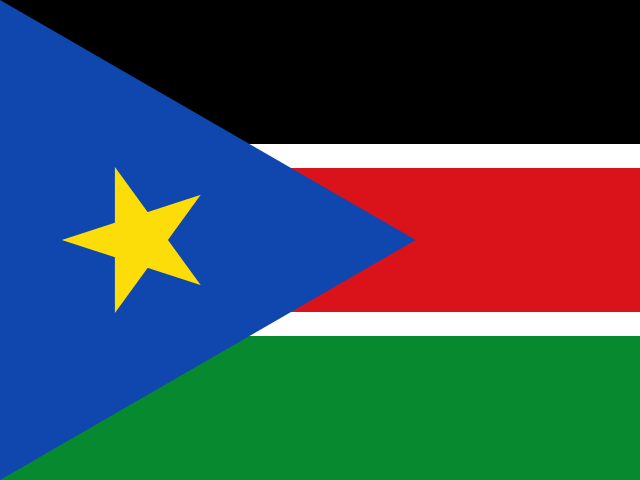
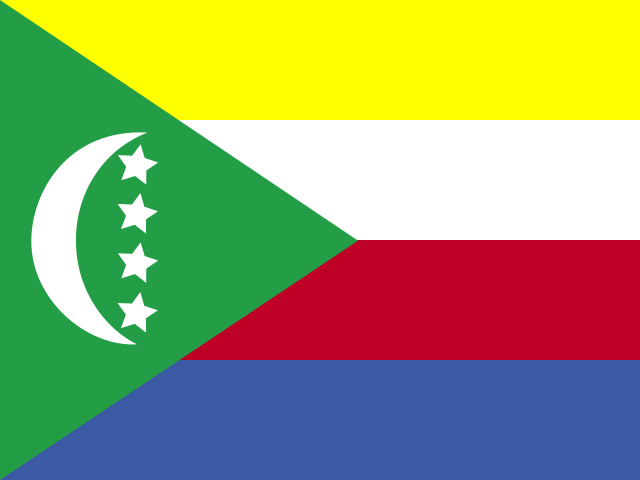
Across Eastern Africa
Every country in the sub-region, by its place among all 165.
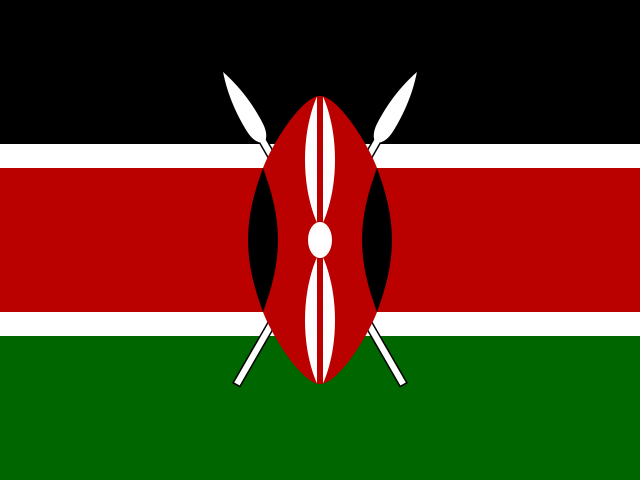

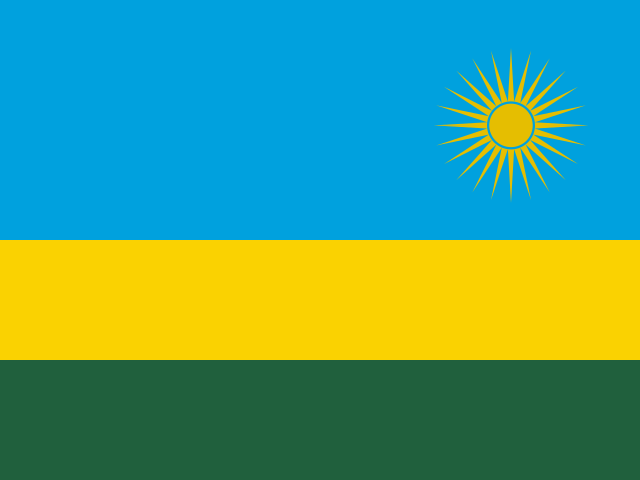

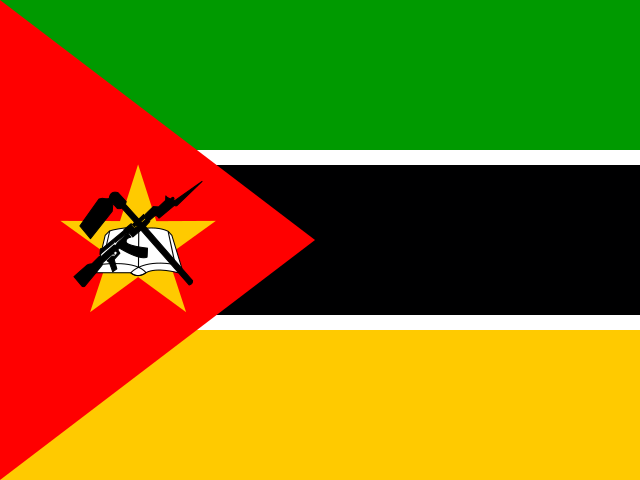

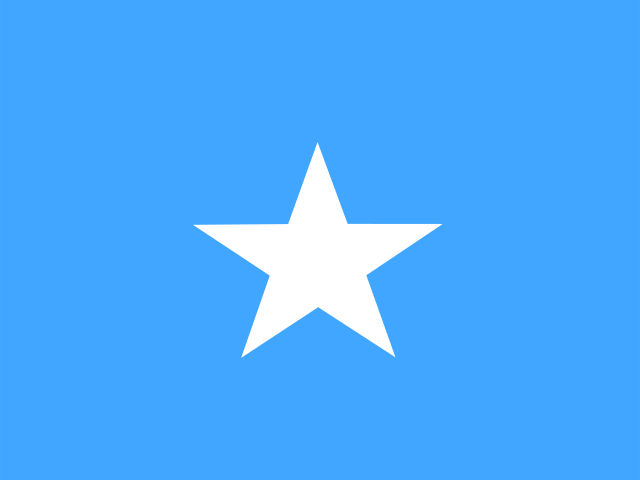
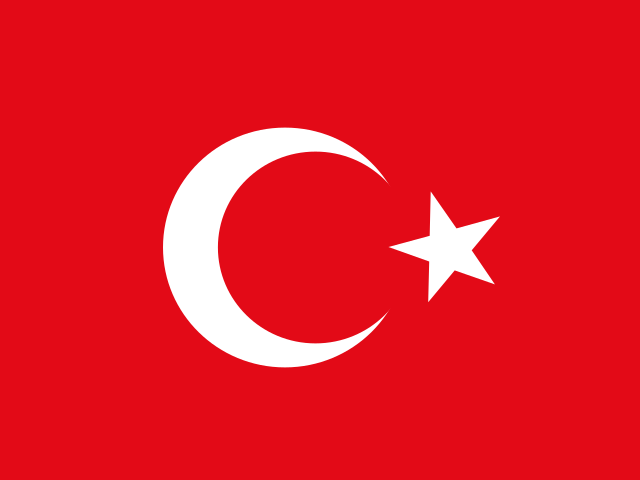
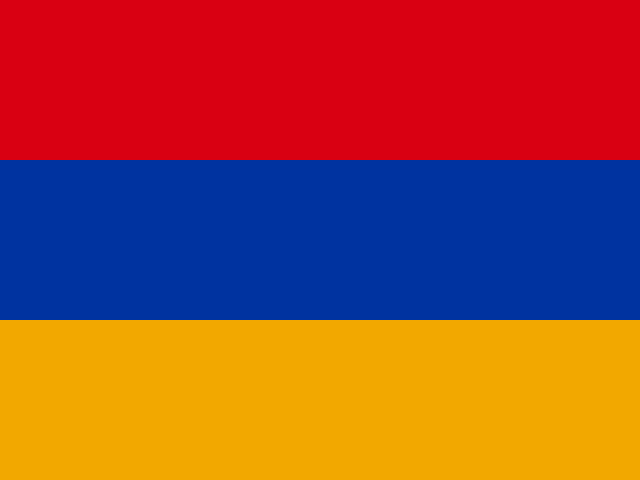
Placed either side on energy
The countries immediately above and below Djibouti in the topic’s list.


04Context, no vote
Where Djibouti is ahead of the world, and behind
22 more statistics filed under energy, published in full and deliberately given no vote in the standing. Select a row for the publisher, the rank and the links.
Ahead of the world median3
Statistics on which Djibouti does better than the middle country measured.
Wind and Solar Share of Electricity GenerationEmber · 2024 · world median 5.279355.279▲ Improved since 2014
Djibouti: 35 · world median 5.279 · Wind and solar (% of electricity generated). Ember, 2024 edition, data for 2024.
Published values in that edition run from 0 to 69.12; higher is better.
CO₂ Emissions per CapitaGlobal Carbon Project · 2024 · world median 3.210.4833.21No real change since 2014
Djibouti: 0.483 · world median 3.21 · Fossil CO₂ (tonnes per person). Global Carbon Project, 2024 edition, data for 2024.
Published values in that edition run from 0.054 to 41.27; lower is better.
Position 177th of 210 · derived, 1st = worst.
Energy Intensity of GDP (PPP)EIA · 2024 · world median 2.7381.6972.738▲ Improved since 2014
Djibouti: 1.697 · world median 2.738 · Energy use per dollar of GDP (thousand Btu per US$ at PPP). U.S. Energy Information Administration (EIA), 2024 edition, data for 2024.
Published values in that edition run from 0.666 to 17.45; lower is better.
Behind the world median5
Statistics on which Djibouti does worse than the middle country measured.
Low-Carbon Share of Electricity GenerationEmber · 2024 · world median 37.323537.32▲ Improved since 2014
Djibouti: 35 · world median 37.32 · Low-carbon sources (% of electricity generated). Ember, 2024 edition, data for 2024.
Published values in that edition run from 0 to 100; higher is better.
Position 87th of 162 · derived.
Access to Electricity, RuralWorld Bank Group · 2024 · world median 10053.9100No real change since 2014
Djibouti: 53.9 · world median 100 · Rural population with electricity access (%). World Bank Group, 2024 edition, data for 2024.
Published values in that edition run from 0.7 to 100; higher is better.
Access to ElectricityWorld Bank Group · 2024 · world median 10069.2100▼ Worsened since 2014
Djibouti: 69.2 · world median 100 · Population with electricity access (%). World Bank Group, 2024 edition, data for 2024.
Published values in that edition run from 5.4 to 100; higher is better.
Firms Identifying Electricity as a Major ConstraintWorld Bank Group · 2026 · world median 25.7747.3225.77No earlier reading
Djibouti: 47.32 · world median 25.77 · Firms rating electricity a major or very severe constraint (%). World Bank Group, 2026 edition, data for 2026.
Published values in that edition run from 0 to 84.77; lower is better.
Position 30th of 179 · derived, 1st = worst.
Firms Owning or Sharing a GeneratorWorld Bank Group · 2026 · world median 24.8565.7424.85No earlier reading
Djibouti: 65.74 · world median 24.85 · Firms owning or sharing a generator (%). World Bank Group, 2026 edition, data for 2026.
Published values in that edition run from 0.158 to 90.51; lower is better.
Level with the median, or no median to compare1
Coal Share of Electricity GenerationEmber · 2024 · world median 000No real change since 2014
Djibouti: 0 · world median 0 · Coal (% of electricity generated). Ember, 2024 edition, data for 2024.
Published values in that edition run from 0 to 98.25; lower is better.
No better end13
These describe the shape of a country — more is not better or worse, only different — so they are never ahead or behind.
Net Electricity Imports (share of generation)Ember · 2024 · world median 03000No real change since 2014
Djibouti: 300 · world median 0 · Net electricity imports (% of domestic generation). Ember, 2024 edition, data for 2024.
Published values in that edition run from -70.16 to 707.07.
Photovoltaic Power Potential (PVOUT)World Bank Group (ESMAP), data by Solargis · 2020 · world median 4.2734.7974.273No earlier reading
Djibouti: 4.797 · world median 4.273 · Practical solar power potential (kWh per kWp per day, long-term average). World Bank Group (ESMAP), data by Solargis, 2020 edition, data for 2020.
Published values in that edition run from 2.513 to 5.379.
Nuclear Share of Electricity GenerationEmber · 2024 · world median 000No real change since 2014
Djibouti: 0 · world median 0 · Nuclear (% of electricity generated). Ember, 2024 edition, data for 2024.
Published values in that edition run from 0 to 67.4.
Operating Wind Power CapacityGlobal Energy Monitor · 2026 · world median 10059100No earlier reading
Djibouti: 59 · world median 100 · Wind farm capacity in operation (megawatts). Global Energy Monitor, 2026 edition, data for 2026.
Published values in that edition run from 0 to 542,758.
Natural Gas ProductionEIA · 2024 · world median 000No real change since 2014
Djibouti: 0 · world median 0 · Dry natural gas produced (billion cubic metres). U.S. Energy Information Administration (EIA), 2024 edition, data for 2024.
Published values in that edition run from 0 to 1,069.
Crude Oil ProductionEIA · 2025 · world median 000No real change since 2015
Djibouti: 0 · world median 0 · Crude oil produced (thousand barrels per day). U.S. Energy Information Administration (EIA), 2025 edition, data for 2025.
Published values in that edition run from 0 to 13,586.
Primary Energy Consumption per CapitaEIA · 2024 · world median 49.510.2449.5Moved since 2014
Djibouti: 10.24 · world median 49.5 · Energy use per person (million Btu). U.S. Energy Information Administration (EIA), 2024 edition, data for 2024.
Published values in that edition run from 0.95 to 766.07.
Gas Share of Electricity GenerationEmber · 2024 · world median 2.58502.585Moved since 2014
Djibouti: 0 · world median 2.585 · Natural gas (% of electricity generated). Ember, 2024 edition, data for 2024.
Published values in that edition run from 0 to 99.97.
Operating Coal Power CapacityGlobal Energy Monitor · 2026 · world median 5250525No earlier reading
Djibouti: 0 · world median 525 · Coal-fired capacity in operation (megawatts). Global Energy Monitor, 2026 edition, data for 2026.
Published values in that edition run from 0 to 1,263,101.
Primary Energy ProductionEIA · 2024 · world median 0.07700.077Moved since 2014
Djibouti: 0 · world median 0.077 · Primary energy produced (quadrillion Btu). U.S. Energy Information Administration (EIA), 2024 edition, data for 2024.
Published values in that edition run from 0 to 130.76.
Hydro Share of Electricity GenerationEmber · 2024 · world median 12.85012.85No real change since 2014
Djibouti: 0 · world median 12.85 · Hydropower (% of electricity generated). Ember, 2024 edition, data for 2024.
Published values in that edition run from 0 to 100.
Solar Share of Electricity GenerationEmber · 2024 · world median 3.04903.049Moved since 2014
Djibouti: 0 · world median 3.049 · Solar (% of electricity generated). Ember, 2024 edition, data for 2024.
Published values in that edition run from 0 to 50.
Solar Electricity Installed CapacityEIA · 2024 · world median 0.14400.144Moved since 2014
Djibouti: 0 · world median 0.144 · Solar generating capacity installed (gigawatts). U.S. Energy Information Administration (EIA), 2024 edition, data for 2024.
Published values in that edition run from 0 to 886.66.
No current reading for Djibouti
Primary Schools with Electricity (last 2023), RISE Clean Cooking Policy Score, RISE Electricity Access Policy Score, RISE Energy Efficiency Policy Score, RISE Renewable Energy Policy Score and World Energy Trilemma Index. Listed rather than hidden, so the page can be checked against it.
“Position · derived” is this site’s ordering of the published values, 1st = best unless the row says otherwise; the publisher ranks no country on it. Rank, position and standing
05Country Index 2026
Energy among Djibouti’s 15 topics
Energy is Djibouti’s 2nd best-placed topic of 15. Strongest first, each marker at its share of that topic’s field.
- Environment & Sustainability30th of 1862/4 keys
- Energy75th of 1652/3 keys
- Gender & Equality110th of 1833/4 keys
- Mobility & Trade125th of 1773/4 keys
- Peace & Securityjoint 128th of 1773/4 keys
- Food & Agriculture135th of 1843/4 keys
- Economy & Innovation135th of 1762/4 keys
- Governance & Institutions159th of 1944/4 keys
- Digital & Technology163rd of 1984/4 keys
- Development & Human Capital163rd of 1963/3 keys
- Poverty & Inequality135th of 1593/3 keys
- Health & Wellbeing170th of 2003/4 keys
- Democracy & Civil Liberties171st of 1984/4 keys
- Risk & Resilience179th of 1933/4 keys
- Work & Labour173rd of 1824/4 keys
No standing on Education & Knowledge: too few of those topics’ key statistics are published for this country.
06The top of the list
Who leads on energy
The three countries placed highest of 165, and the leaders Djibouti can most readily be measured against.
 1
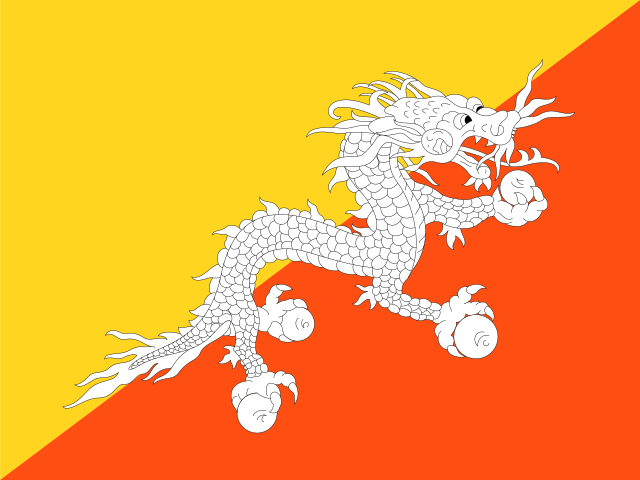 Bhutan
Southern Asia
1st of 165 · 2 of 3 keys
Photo: VIkramjit Kakati derivative work: ויקיג'אנקי · CC BY-SA 3.0, greyscale
 2
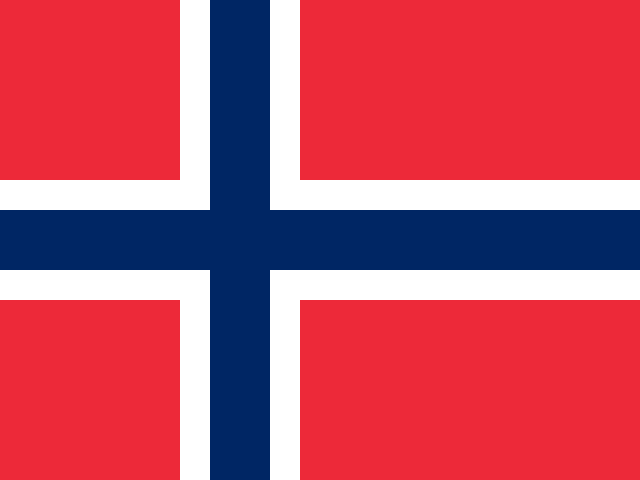 Norway
Northern Europe
2nd of 165 · 3 of 3 keys
Photo: Ximonic , Simo Räsänen · CC BY-SA 3.0, greyscale
 3
 Uganda
Eastern Africa
3rd of 165 · 2 of 3 keys
Photo: Rod Waddington from Kergunyah, Australia · CC BY-SA 2.0, greyscale
Placed highest nearby
Highest in Africa
Uganda3rd2/3 keysThis page
Djibouti75th2/3 keys
Positions out of 165 placed on the topic. A country needs readings on enough keys to be placed, and the top of the list is often held on fewer of them.
07Questions
Djibouti on energy: questions answered
Every answer is built from the numbers on this page, so none can say something the page does not.
How does Djibouti rank on energy?
Djibouti is placed 75th of 165 countries on Energy in the Country Index 2026, from 2 of its 3 key statistics (Carbon Intensity of Electricity and Renewable Share of Electricity Generation). The position is this site’s ordering of published statistics, not a rank any publisher printed.
What is the latest Carbon Intensity of Electricity figure for Djibouti?
430 in 2024 (carbon intensity (gCO₂e per kWh generated)), according to Ember. The world median in the same edition was 433.75.
What is the latest Renewable Share of Electricity Generation figure for Djibouti?
35 in 2024 (renewables (% of electricity generated)), according to Ember. The world median in the same edition was 32.06.
How does Djibouti compare with Ethiopia on energy?
Ethiopia is not placed on Energy, holding too few of its key statistics, and Djibouti 75th.
How have Djibouti’s energy figures changed?
Carbon Intensity of Electricity fell from 655.56 in 2000 to 430 in 2024; Renewable Share of Electricity Generation rose from 0 in 2000 to 35 in 2024.
Which energy statistics are missing for Djibouti?
No current reading is published for Djibouti on Primary Schools with Electricity, RISE Clean Cooking Policy Score, RISE Electricity Access Policy Score, RISE Energy Efficiency Policy Score, RISE Renewable Energy Policy Score and World Energy Trilemma Index. They are listed rather than hidden, so the evidence on the page can be checked against it.
08Method
Method, sources and how to cite
What this topic does not measure
This is deliberately the electricity and energy-system subject, not an infrastructure one: roads, railways, ports, water and telecommunications would each need a global series this site does not hold. Emissions are under Environment & Sustainability. Access to electricity is published here in full but takes no part in any ranking — more than half the world’s countries now report 100%, and a position derived from that would read “1, 1, 1 … 123”, which is noise rather than information.
How the Energy standing is decided
A standing is this site’s ordering, named with its edition — never a publisher’s rank. 3 key statistics vote, one vote each; every country’s published value becomes a place within that key’s own field, the places are averaged, and the average is never published. A country needs 2 of the 3 keys to be placed.
The energy method, step by stepHow every standing on this site is built
The key statistics and their licences
- Carbon Intensity of Electricity — Ember, CC BY 4.0
- Renewable Share of Electricity Generation — Ember, CC BY 4.0
- World Energy Trilemma Index — World Energy Council, Express reuse grant (no Creative Commons licence named)
The other 22 statistics on this page come from 6 publishers, each named beside its numbers, with every edition and licence on the datasets pages.
The standing itself is part of the Country Index 2026, published under CC BY-SA 4.0.
Photographs
Djibouti’s banner and the countries placed highest, from their profiles: Wikimedia Commons, shown in greyscale, each used under the licence named.
- Djibouti (banner) — Fishercd, CC0
- Bhutan — VIkramjit Kakati derivative work: ויקיג'אנקי, CC BY-SA 3.0
- Norway — Ximonic , Simo Räsänen, CC BY-SA 3.0
- Uganda — Rod Waddington from Kergunyah, Australia, CC BY-SA 2.0
Cite this page
Nations Inquiry (2026). Djibouti: Energy — standing and statistics, Country Index 2026. https://nationsinquiry.com/countries/djibouti/energy