
Photo: YoTuT derivative work: JamesA · CC BY 2.0 · via Wikimedia Commons, shown in greyscale
Somaliland
Somaliland places highest on Academic Freedom Index (top 40% worldwide) and lowest on Exclusion by Socio-Economic Group (bottom 7%).
Share
Somaliland in the Nations Inquiry Country Index
Somaliland appears in 26 of the statistics tracked here, but is not placed in the Country Index: the index needs a standing on three quarters of its topics, and Somaliland is measured on too few of them. Every published reading below is unaffected.
At a glance
The newest published figure for each, the year it describes and who published it, with a line showing how it has moved.
01The country
About Somaliland
Somaliland occupies the north-western corner of the Horn of Africa, with a long coast on the Gulf of Aden. A hot, dry coastal plain, the Guban, rises steeply to the Golis Mountains and a cooler highland plateau around Hargeisa and Sheikh, where most people live, and beyond that the land falls south into the Haud, open grazing country for camel and goat herders. Rain is scarce and comes in two short seasons.
The painted caves of Laas Geel, where cattle and herders were drawn in red and white several thousand years ago, hold some of the finest rock art in Africa. The coast traded with Arabia and Egypt in antiquity, and Zeila was a medieval port of the Adal sultanate. Britain established the protectorate of British Somaliland in the 1880s; it became independent in June 1960 and joined the former Italian Somaliland days later to form Somalia. In 1991, after civil war and the collapse of the Somali state, the north-west declared independence and set up its own administration.
Poetry carries great weight in Somali life, and Hargeisa’s yearly book fair draws writers from across the region. Camel milk, goat meat and canjeero, a thin spongy pancake eaten at breakfast, are everyday food. Livestock is the mainstay of the economy: camels, sheep and goats are shipped from the port of Berbera to the Arabian Peninsula, above all before the Hajj, and remittances from Somalilanders in Britain and the Gulf support many households.
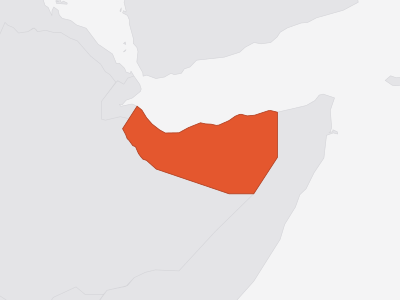
Key facts about Somaliland
- Capital
- Hargeisa
- Official languages
- Arabic, English, Somali
- Currency
- Somaliland shilling
- ISO code
- XSLno ISO 3166-1 code exists and no convention is established; XSL is ours, minted in ISO's user-assigned X__ range
- Dialling code
- +252
As Wikidata records them. Official languages are the least consistent — some countries list only a national language, others every regional one. Sources and licences.
02Country Index 2026
Where it stands, topic by topic
Strongest first. Each position is Somaliland’s place among the countries with a standing on that topic, built from a few key statistics chosen to measure different things.
122ndof 198
From 2 of 4 key statistics
No standing — Somaliland holds too few of this subject’s key statistics to be placed on it.
No standing — Somaliland holds too few of this subject’s key statistics to be placed on it.
No standing — Somaliland holds too few of this subject’s key statistics to be placed on it.
No standing — Somaliland holds too few of this subject’s key statistics to be placed on it.
No standing — Somaliland holds too few of this subject’s key statistics to be placed on it.
No standing — Somaliland holds too few of this subject’s key statistics to be placed on it.
No standing — Somaliland holds too few of this subject’s key statistics to be placed on it.
No standing — Somaliland holds too few of this subject’s key statistics to be placed on it.
No standing — Somaliland holds too few of this subject’s key statistics to be placed on it.
No standing — Somaliland holds too few of this subject’s key statistics to be placed on it.
No standing — Somaliland holds too few of this subject’s key statistics to be placed on it.
No standing — Somaliland holds too few of this subject’s key statistics to be placed on it.
No standing — Somaliland holds too few of this subject’s key statistics to be placed on it.
No standing — Somaliland holds too few of this subject’s key statistics to be placed on it.
No standing — Somaliland holds too few of this subject’s key statistics to be placed on it.
Each standing is built from a few key statistics chosen to measure different things. Select a subject for Somaliland’s readings on it, or see every statistic held for Somaliland in the table further down this page.
03Highs and lows
Where Somaliland stands out
The two ends of its own record: every statistic on which Somaliland sits within ten places of the best or worst in the world, plus its strongest and weakest readings overall. Each is turned into a percentile — its place among every country measured — which is what lets a hunger score and a press-freedom rank be compared at all.
Where Somaliland does best3
No area reaches the world's top third. These are Somaliland's strongest results relative to its own record.
- Academic Freedom Indextop 40%
Position · derived 71st of 176 · 0.709 · 2025
world median 0.619 (better) · ▲ 14 pts since 2015
- Military Dimension Indexbottom 49%
Not ranked by the publisher · 0.1 · 2025
world median 0.1 · ▲ 16 pts since 2015
- Freedom of Foreign Movementbottom 48%
Position · derived 92nd of 176 · 1.057 · 2025
world median 1.2 (worse) · ▲ 5 pts since 2015
Where Somaliland struggles most5
In the bottom third of all countries measured.
- Exclusion by Socio-Economic Groupbottom 7%
Position · derived 13th of 174 · 1 = worst · 0.843 · 2023
world median 0.413 (worse) · ▼ 4 pts since 2013
- Women's Political Empowerment Indexbottom 11%
Position · derived 156th of 176 · 0.468 · 2025
world median 0.772 (worse) · ▲ 2 pts since 2015
- Equal Protection Indexbottom 17%
Position · derived 147th of 176 · 0.287 · 2025
world median 0.651 (worse) · ▲ 5 pts since 2015
- Government Cyber Security Capacitybottom 22%
Position · derived 138th of 176 · -0.771 · 2025
world median 0.196 (worse)
- Freedom of Religionbottom 23%
Position · derived 136th of 176 · -0.089 · 2025
world median 1.296 (worse) · ▲ 4 pts since 2015
A band is a place among the countries each publisher scores, so Somaliland can move because other countries moved. See the Country Index for the full method.
04In context
Somaliland and its neighbours
A position reads best beside the countries around it. Every position below is a place in the world ranking, not within the region.
Shares a land border with
Across Eastern Africa
Every country in the sub-region, by its position in the world.
- 45
 Mauritius
- =46
 Seychelles
- 117
 Kenya
- 127
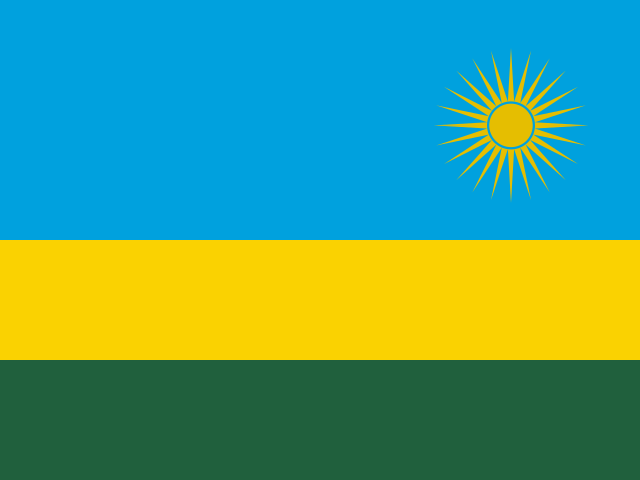 Rwanda
- 131
 Uganda
- =136
 Malawi
- 138
 Zambia
- 142
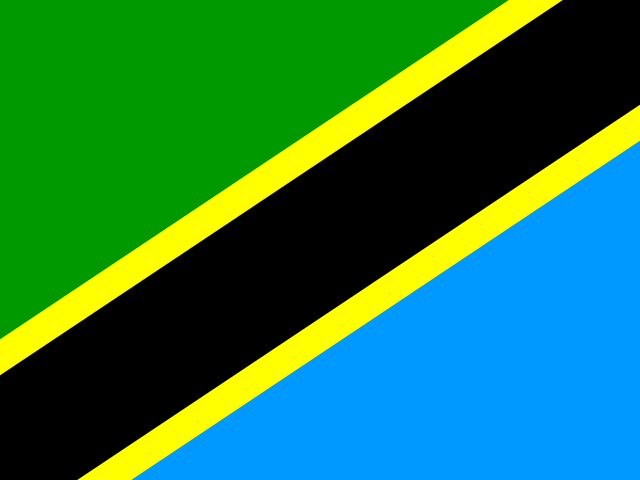 Tanzania
- 153
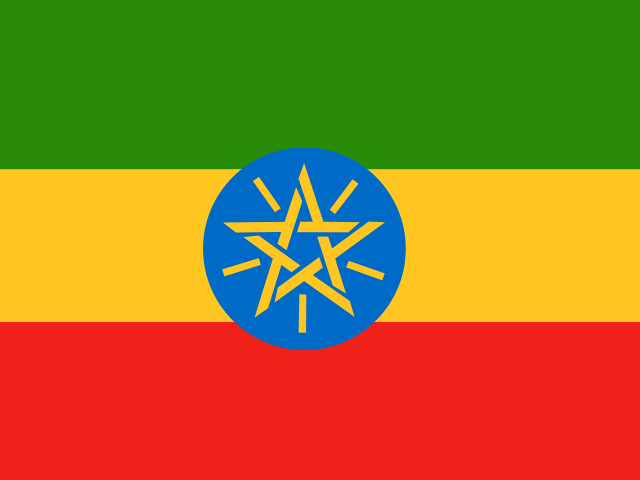 Ethiopia
- =156
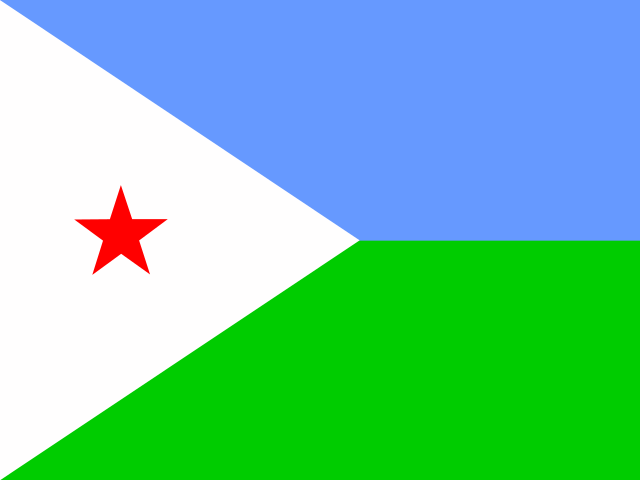 Djibouti
- 160
 Mozambique
- 163
 Comoros
- 164
 Madagascar
- 165
 Burundi
- 168
 Zimbabwe
- 177
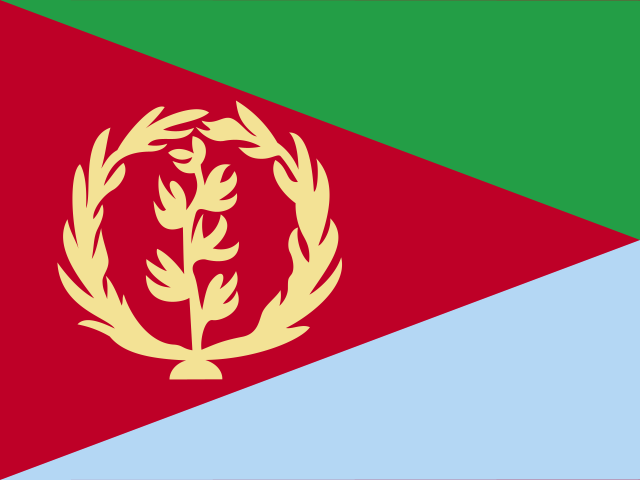 Eritrea
- 182
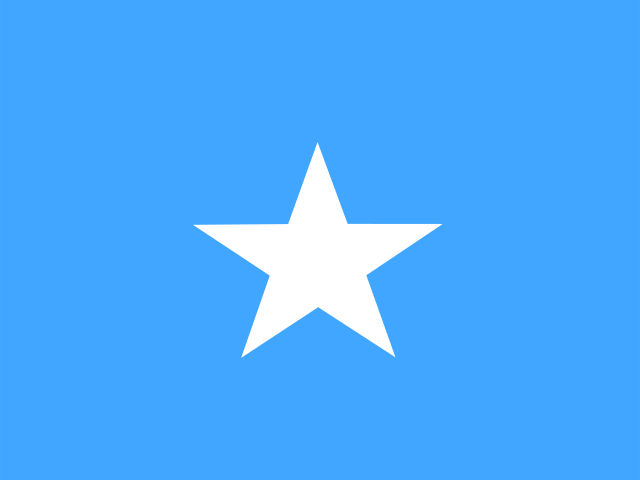 Somalia
- 183
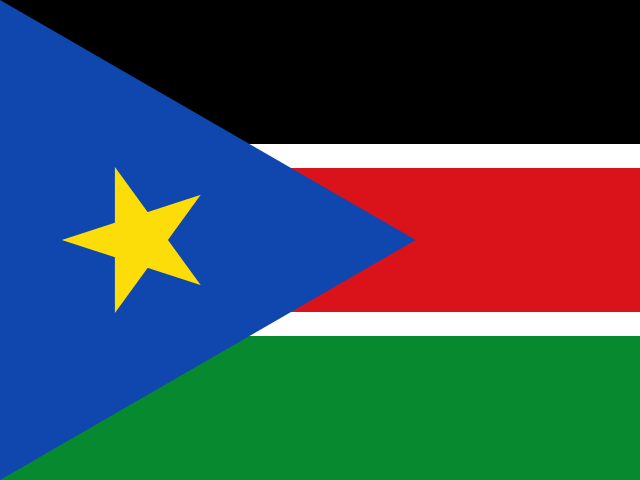 South Sudan
- —Somalilandnot placed
05The evidence
Every statistic we hold for Somaliland
Grouped by topic. Each row gives the newest edition’s rank or position, the published value and the year the numbers describe. Select a statistic for this country’s row beside every other country, the world median and every edition.
Governance & Institutions10
- Civic Space RatingsCIVICUS · Civic space score (0–100)133rd of 198position · derived33.732025
- Equal Protection IndexV-Dem Institute, University of Gothenburg · Equal protection index (0–1); higher = rights and freedoms protected more equally across social groups and classes147th of 176position · derived0.2872025
- Judicial Constraints on the Executive IndexV-Dem Institute, University of Gothenburg · Judicial constraints on the executive index (0–1)111th of 175position · derived0.4612025
- Liberal Democracy IndexV-Dem Institute, University of Gothenburg · Liberal democracy index (0–1)97th of 176position · derived0.2972025
- Meritocratic Appointment in the State AdministrationV-Dem Institute, University of Gothenburg · Original latent estimate (≈ −2.9 to +3.6); higher = more appointments on merit101st of 176position · derived0.1162025
- Neopatrimonial Rule IndexV-Dem Institute, University of Gothenburg · Neopatrimonial rule index (0–1; higher = more personalised rule)74th of 176position · derived · 1 = worst0.592025
- Political Corruption IndexV-Dem Institute, University of Gothenburg · Political corruption index (0–1; higher = more corrupt)84th of 176position · derived · 1 = worst0.5592025
- Rigorous and Impartial Public AdministrationV-Dem Institute, University of Gothenburg · Original latent estimate (≈ −3.6 to +4.0); higher = a more rigorous and impartial administration103rd of 176position · derived0.0832025
- State Fiscal Source of RevenueV-Dem Institute, University of Gothenburg · Original latent estimate (≈ −2.9 to +3.1); higher = broader taxation93rd of 176position · derived1.1082025
- V-Dem Electoral Democracy IndexV-Dem Institute, University of Gothenburg · Electoral democracy index (0–1)96th of 176position · derived0.4452025
Education & Knowledge1
- Academic Freedom IndexV-Dem Institute, University of Gothenburg · Academic freedom index (0–1)71st of 176position · derived0.7092025
Gender & Equality1
- Women's Political Empowerment IndexV-Dem Institute, University of Gothenburg · Women's political empowerment index (0–1)156th of 176position · derived0.4682025
Democracy & Civil Liberties13
- Deliberative Democracy IndexV-Dem Institute, University of Gothenburg · Deliberative democracy index (0–1)95th of 176position · derived0.3012025
- Egalitarian Democracy IndexV-Dem Institute, University of Gothenburg · Egalitarian democracy index (0–1)121st of 176position · derived0.1932025
- Exclusion by Socio-Economic GroupV-Dem Institute, University of Gothenburg · Exclusion by socio-economic group index (0–1; higher = more exclusion)13th of 174position · derived · 1 = worst0.8432023
- Freedom of Expression and Alternative Sources of Information IndexV-Dem Institute, University of Gothenburg · Freedom of expression index (0–1)100th of 176position · derived0.6532025
- Freedom of Foreign MovementV-Dem Institute, University of Gothenburg · Original latent estimate (≈ −3.6 to +2.9); higher = freer movement92nd of 176position · derived1.0572025
- Freedom of ReligionV-Dem Institute, University of Gothenburg · Original latent estimate (≈ −3.5 to +3); higher = more religious freedom136th of 176position · derived-0.0892025
- Government Censorship of the MediaV-Dem Institute, University of Gothenburg · Original latent estimate (≈ −3 to +3.5); higher = less censorship106th of 176position · derived0.0642025
- Government Dissemination of False Information (Domestic)V-Dem Institute, University of Gothenburg · Original latent estimate (≈ −3.6 to +3.2); higher = less disinformation110th of 176position · derived-0.6132025
- Government Internet ShutdownsV-Dem Institute, University of Gothenburg · Original latent estimate (≈ −4 to +2); higher = fewer shutdowns92nd of 176position · derived0.9932025
- Military Dimension IndexV-Dem Institute, University of Gothenburg · Military dimension index (0–1; higher = larger military role)bottom 49%0.12025
- Participatory Democracy IndexV-Dem Institute, University of Gothenburg · Participatory democracy index (0–1)95th of 176position · derived0.2682025
- Physical Violence IndexV-Dem Institute, University of Gothenburg · Freedom from political killings and torture (0–1)108th of 176position · derived0.6512025
Peace & Security1
- Government Cyber Security CapacityV-Dem Institute, University of Gothenburg · Original latent estimate (≈ −3.6 to +3.7); higher = more capacity138th of 176position · derived-0.7712025
06Method
Sources and how to read them
How to read this page
- The scores and ranks belong to their publishers. Nothing is adjusted, rescaled or re-ranked; each is reproduced from the edition named beside it. Where a row says position · derived, the publisher ranks nobody on that measure and the position is ours, made by ordering the published score.
- Each statistic shows its newest edition, which is not always the edition the Country Index uses: the index pins every source to one data year so its average compares like with like.
How a standing is built from percentiles, why Somaliland can move because other countries moved, and why publishers measure between 120 and 215 countries each are set out in full in how a standing is made and what a standing cannot tell you.
Sources
- Statistics: 2 publishers, each named beside its numbers, with every edition and licence on the datasets pages.
- Capital, languages, currency, codes: Wikidata, public domain (CC0).
- Map and land borders: Natural Earth, public domain. Borders are de facto — where administration actually changes — not claimed.
Photographs
The photograph of Somaliland on this page comes from Wikimedia Commons and is shown in greyscale. The photographer and the licence are named beside each one.
Cite this page
Nations Inquiry (2026). Somaliland: country statistics, rankings and trends. https://nationsinquiry.com/countries/somaliland