Data for 2009
Sex Ratio at Birth, 2009
2009, as UN DESA Population Division’s 2024 release gives it · stored as published, never rewritten
The sex ratio at birth is the number of boys born for every 100 girls. Left to nature it sits at about 105 everywhere, so a figure well above that is the usual sign that some parents are choosing the sex of their children, most often through sex-selective abortion.
Sex Ratio at Birth, 2009 covers 222 countries. Liechtenstein is highest, at 118.0; Malawi is lowest, at 100.5. The middle country reads 105.0. Against 2008, 115 values changed (58 up, 57 down), the same countries are covered.
Sex Ratio at Birth · Data for 2009
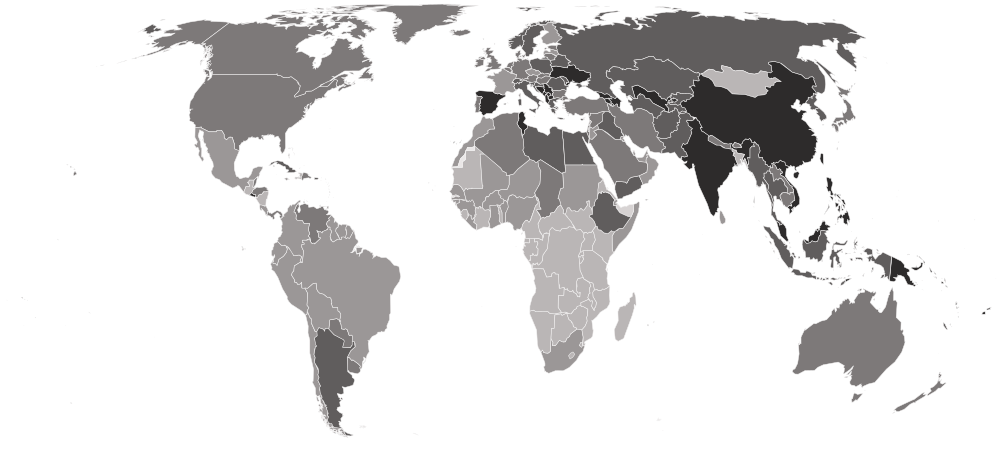
HighestLiechtenstein
118.0
LowestMalawi
100.5Shaded by value in five groups of equal size, darkest at the highest end.
01Values only
The table
Every country and every column of Sex Ratio at Birth, 2009, as published. The file carries values only, so no position is shown. “=” marks a shared position.
Showing 25 of 222 countries · select a heading to sort
LiechtensteinLIEWestern Europe | 118.0 |
 China CHNEastern Asia | 117.4 |
 Northern Mariana Islands MNPMicronesia | 117.2 |
 Azerbaijan AZEWestern Asia | 116.7 |
 Armenia ARMWestern Asia | 114.9 |
 Hong Kong HKGEastern Asia | 114.9 |
 Albania ALBSouthern Europe | 111.8 |
 Vietnam VNMSouth-eastern Asia | 110.5 |
 India INDSouthern Asia | 109.5 |
 Montenegro MNESouthern Europe | 109.5 |
 Taiwan TWNEastern Asia | 108.8 |
 Macau MACEastern Asia | 108.5 |
 Georgia GEOWestern Asia | 108.2 |
 Tonga TONPolynesia | 108.1 |
 Philippines PHLSouth-eastern Asia | 108.0 |
 Kosovo XKXSouthern Europe | 107.9 |
 Palau PLWMicronesia | 107.9 |
 Tunisia TUNNorthern Africa | 107.9 |
 Papua New Guinea PNGMelanesia | 107.8 |
 Samoa WSMPolynesia | 107.7 |
 El Salvador SLVCentral America | 107.6 |
 North Macedonia MKDSouthern Europe | 107.5 |
 Brunei BRNSouth-eastern Asia | 107.4 |
 Kiribati KIRMicronesia | 107.2 |
 Uzbekistan UZBCentral Asia | 107.2 |
 Fiji FJIMelanesia | 107.1 |
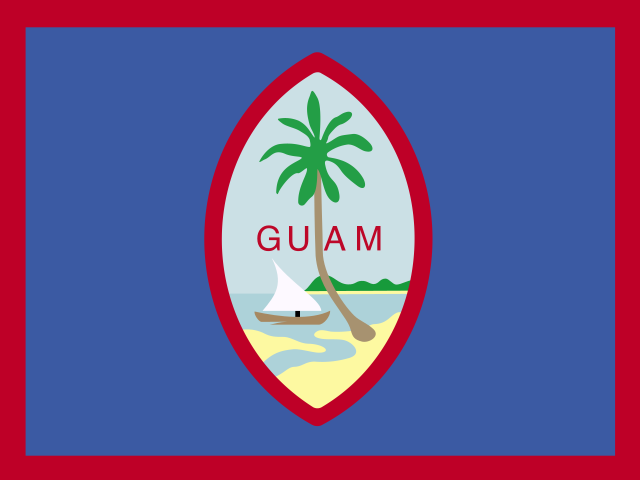 Guam GUMMicronesia | 107.1 |
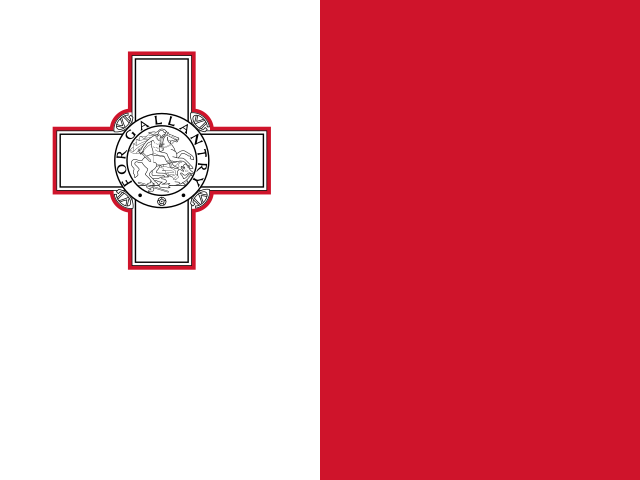 Malta MLTSouthern Europe | 107.1 |
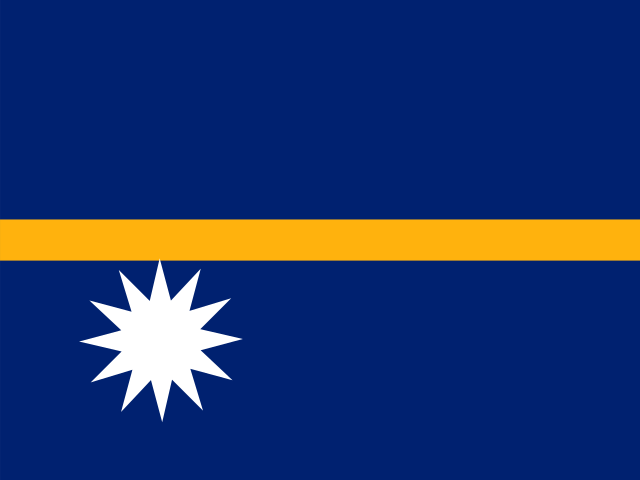 Nauru NRUMicronesia | 107.1 |
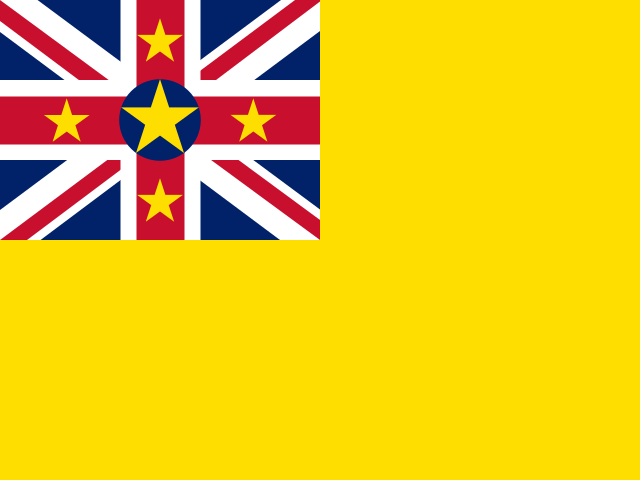 Niue NIUPolynesia | 107.1 |
 Timor-Leste TLSSouth-eastern Asia | 107.1 |
 Bosnia and Herzegovina BIHSouthern Europe | 107.0 |
 Marshall Islands MHLMicronesia | 107.0 |
 Micronesia FSMMicronesia | 107.0 |
 Serbia SRBSouthern Europe | 107.0 |
 Solomon Islands SLBMelanesia | 107.0 |
 Tuvalu TUVPolynesia | 107.0 |
 Vanuatu VUTMelanesia | 107.0 |
 Spain ESPSouthern Europe | 106.9 |
 Malaysia MYSSouth-eastern Asia | 106.8 |
 Ukraine UKREastern Europe | 106.8 |
 Cuba CUBCaribbean | 106.7 |
 Pakistan PAKSouthern Asia | 106.7 |
 Turkmenistan TKMCentral Asia | 106.7 |
 Myanmar MMRSouth-eastern Asia | 106.6 |
 San Marino SMRSouthern Europe | 106.6 |
 Cyprus CYPWestern Asia | 106.5 |
 Greece GRCSouthern Europe | 106.5 |
 Singapore SGPSouth-eastern Asia | 106.5 |
 Moldova MDAEastern Europe | 106.4 |
 New Caledonia NCLMelanesia | 106.4 |
 South Korea KOREastern Asia | 106.4 |
 Thailand THASouth-eastern Asia | 106.4 |
 Belarus BLREastern Europe | 106.3 |
 French Polynesia PYFPolynesia | 106.3 |
 Afghanistan AFGSouthern Asia | 106.2 |
 Poland POLEastern Europe | 106.2 |
 Switzerland CHEWestern Europe | 106.2 |
 Tajikistan TJKCentral Asia | 106.2 |
 Argentina ARGSouth America | 106.1 |
 Cook Islands COKPolynesia | 106.1 |
 Faroe Islands FRONorthern Europe | 106.1 |
 Kazakhstan KAZCentral Asia | 106.1 |
 American Samoa ASMPolynesia | 106.0 |
 Andorra ANDSouthern Europe | 106.0 |
 Croatia HRVSouthern Europe | 106.0 |
 Ethiopia ETHEastern Africa | 106.0 |
 Indonesia IDNSouth-eastern Asia | 106.0 |
 Italy ITASouthern Europe | 106.0 |
 North Korea PRKEastern Asia | 106.0 |
 Romania ROUEastern Europe | 106.0 |
 Sweden SWENorthern Europe | 106.0 |
 Iraq IRQWestern Asia | 105.9 |
 Kyrgyzstan KGZCentral Asia | 105.9 |
 Maldives MDVSouthern Asia | 105.9 |
 Slovenia SVNSouthern Europe | 105.9 |
 Yemen YEMWestern Asia | 105.9 |
 Norway NORNorthern Europe | 105.8 |
 Puerto Rico PRICaribbean | 105.8 |
 Egypt EGYNorthern Africa | 105.7 |
 Libya LBYNorthern Africa | 105.7 |
 Russia RUSEastern Europe | 105.7 |
 Australia AUSAustralia and New Zealand | 105.6 |
 Estonia ESTNorthern Europe | 105.6 |
 New Zealand NZLAustralia and New Zealand | 105.6 |
 Türkiye TURWestern Asia | 105.6 |
 Honduras HNDCentral America | 105.5 |
 Hungary HUNEastern Europe | 105.5 |
 Denmark DNKNorthern Europe | 105.4 |
 Japan JPNEastern Asia | 105.4 |
 Lithuania LTUNorthern Europe | 105.4 |
 Luxembourg LUXWestern Europe | 105.4 |
 Austria AUTWestern Europe | 105.3 |
 Canada CANNorthern America | 105.3 |
 Germany DEUWestern Europe | 105.3 |
 Belize BLZCentral America | 105.2 |
 Bulgaria BGREastern Europe | 105.2 |
 Paraguay PRYSouth America | 105.2 |
 Portugal PRTSouthern Europe | 105.2 |
 Syria SYRWestern Asia | 105.2 |
 United Kingdom GBRNorthern Europe | 105.2 |
 Venezuela VENSouth America | 105.2 |
 British Virgin Islands VGBCaribbean | 105.1 |
 Cambodia KHMSouth-eastern Asia | 105.1 |
 Iran IRNSouthern Asia | 105.1 |
 Nepal NPLSouthern Asia | 105.1 |
 Slovakia SVKEastern Europe | 105.1 |
 Algeria DZANorthern Africa | 105.0 |
 Belgium BELWestern Europe | 105.0 |
 Curaçao CUWCaribbean | 105.0 |
 Greenland GRLNorthern America | 105.0 |
 Iceland ISLNorthern Europe | 105.0 |
 Ireland IRLNorthern Europe | 105.0 |
 Isle of Man IMNNorthern Europe | 105.0 |
 Israel ISRWestern Asia | 105.0 |
 Saudi Arabia SAUWestern Asia | 105.0 |
 Turks and Caicos Islands TCACaribbean | 105.0 |
 Vatican City VATSouthern Europe | 105.0 |
 Dominican Republic DOMCaribbean | 104.9 |
 Laos LAOSouth-eastern Asia | 104.9 |
 Panama PANCentral America | 104.9 |
 Bhutan BTNSouthern Asia | 104.8 |
 Chad TCDMiddle Africa | 104.8 |
 Netherlands NLDWestern Europe | 104.8 |
 Palestine PSEWestern Asia | 104.8 |
 United States USANorthern America | 104.8 |
 Uruguay URYSouth America | 104.8 |
 Costa Rica CRICentral America | 104.7 |
 Czechia CZEEastern Europe | 104.7 |
 Ecuador ECUSouth America | 104.7 |
 France FRAWestern Europe | 104.7 |
 Gibraltar GIBSouthern Europe | 104.7 |
 Colombia COLSouth America | 104.6 |
 Jordan JORWestern Asia | 104.6 |
 Latvia LVANorthern Europe | 104.6 |
 Somalia SOMEastern Africa | 104.6 |
 Sri Lanka LKASouthern Asia | 104.6 |
 Brazil BRASouth America | 104.5 |
 Guinea GINWestern Africa | 104.5 |
 Finland FINNorthern Europe | 104.4 |
 Grenada GRDCaribbean | 104.4 |
 Monaco MCOWestern Europe | 104.4 |
 Morocco MARNorthern Africa | 104.4 |
 South Africa ZAFSouthern Africa | 104.4 |
 Aruba ABWCaribbean | 104.3 |
 Burkina Faso BFAWestern Africa | 104.3 |
 Montserrat MSRCaribbean | 104.3 |
 Trinidad and Tobago TTOCaribbean | 104.3 |
 United Arab Emirates AREWestern Asia | 104.3 |
 Bolivia BOLSouth America | 104.2 |
 Chile CHLSouth America | 104.2 |
 Sudan SDNNorthern Africa | 104.2 |
 Benin BENWestern Africa | 104.1 |
 Guinea-Bissau GNBWestern Africa | 104.1 |
 Guyana GUYSouth America | 104.1 |
 Jamaica JAMCaribbean | 104.1 |
 Kuwait KWTWestern Asia | 104.1 |
 Niger NERWestern Africa | 104.1 |
 Nigeria NGAWestern Africa | 104.1 |
 Oman OMNWestern Asia | 104.1 |
 Qatar QATWestern Asia | 104.1 |
 Bermuda BMUNorthern America | 104.0 |
 Liberia LBRWestern Africa | 104.0 |
 Peru PERSouth America | 104.0 |
 Saint Martin MAFCaribbean | 104.0 |
 Sint Maarten SXMCaribbean | 104.0 |
 Mexico MEXCentral America | 103.9 |
 United States Virgin Islands VIRCaribbean | 103.9 |
 Bahrain BHRWestern Asia | 103.8 |
 Barbados BRBCaribbean | 103.8 |
 Djibouti DJIEastern Africa | 103.8 |
 Ghana GHAWestern Africa | 103.8 |
 Suriname SURSouth America | 103.8 |
 Mali MLIWestern Africa | 103.7 |
 Senegal SENWestern Africa | 103.7 |
 Bangladesh BGDSouthern Asia | 103.6 |
 Cayman Islands CYMCaribbean | 103.6 |
 Madagascar MDGEastern Africa | 103.6 |
 Saint Kitts and Nevis KNACaribbean | 103.6 |
 Central African Republic CAFMiddle Africa | 103.5 |
 Dominica DMACaribbean | 103.5 |
 South Sudan SSDEastern Africa | 103.5 |
 Lebanon LBNWestern Asia | 103.4 |
 Mauritania MRTWestern Africa | 103.4 |
 Mongolia MNGEastern Asia | 103.4 |
 Nicaragua NICCentral America | 103.4 |
 Seychelles SYCEastern Africa | 103.4 |
 Cabo Verde CPVWestern Africa | 103.3 |
 Guatemala GTMCentral America | 103.3 |
 Haiti HTICaribbean | 103.3 |
 Mauritius MUSEastern Africa | 103.3 |
 Sierra Leone SLEWestern Africa | 103.3 |
 Botswana BWASouthern Africa | 103.2 |
 Comoros COMEastern Africa | 103.2 |
 Côte d’Ivoire CIVWestern Africa | 103.2 |
 Equatorial Guinea GNQMiddle Africa | 103.2 |
 Eritrea ERIEastern Africa | 103.2 |
 Antigua and Barbuda ATGCaribbean | 103.1 |
 Gambia GMBWestern Africa | 103.1 |
 Saint Lucia LCACaribbean | 103.1 |
 Eswatini SWZSouthern Africa | 103.0 |
 Anguilla AIACaribbean | 102.9 |
 Saint Vincent and the Grenadines VCTCaribbean | 102.8 |
 Lesotho LSOSouthern Africa | 102.7 |
 Rwanda RWAEastern Africa | 102.7 |
 São Tomé and Príncipe STPMiddle Africa | 102.7 |
 Angola AGOMiddle Africa | 102.6 |
 Cameroon CMRMiddle Africa | 102.6 |
 Togo TGOWestern Africa | 102.6 |
 Tanzania TZAEastern Africa | 102.5 |
 Republic of the Congo COGMiddle Africa | 102.4 |
 Bahamas BHSCaribbean | 102.2 |
 Burundi BDIEastern Africa | 102.2 |
 Kenya KENEastern Africa | 102.1 |
 Uganda UGAEastern Africa | 102.1 |
 Zimbabwe ZWEEastern Africa | 102.1 |
 Gabon GABMiddle Africa | 102.0 |
 DR Congo CODMiddle Africa | 101.8 |
 Mozambique MOZEastern Africa | 101.6 |
 Zambia ZMBEastern Africa | 101.2 |
 Namibia NAMSouthern Africa | 100.8 |
MalawiMWIEastern Africa | 100.5 |
02In 2009
At either end
The 5 countries at each end of the headline.
Highest
- Liechtenstein118.0
- China117.4
- Northern Mariana Islands117.2
- Azerbaijan116.7
- Armeniashared114.9
Lowest
- Malawi100.5
- Namibia100.8
- Zambia101.2
- Mozambique101.6
- DR Congo101.8
Neither end is better. The values describe a shape, not a score. The middle country reads 105.0. “Shared” marks a value another country also holds.
032008 → 2009
Since 2008
What changed between 2008 and this one: who joined or left, and how far the headline moved.
- +0 / −0countries joined / left
- 115values changed, of 222 in both
- 58 · 57rose · fell
- 107unchanged
Rose most
- Liechtenstein116.1 → 118.0+1.9
- Hong Kong113.6 → 114.9+1.3
- Gibraltar104.1 → 104.7+0.6
- Lebanon102.8 → 103.4+0.6
- Poland105.8 → 106.2+0.4
Fell most
- Vietnam112.1 → 110.5−1.6
- Bulgaria105.8 → 105.2−0.6
- Georgia108.7 → 108.2−0.5
- Netherlands105.3 → 104.8−0.5
- Portugal105.7 → 105.2−0.5
Both years come from the same release, so a difference here is a change in the data, not a revision of it. Every country’s full history is charted on the statistic page.
04Caveats
Read before you use
What this edition’s numbers are and are not, worked out from the file itself.
One year of the 2024 release
Every year in this series comes from UN DESA Population Division’s 2024 release, recalculated on one method. It can differ from what was first published for 2009.
76 distinct values among 222
Values are stored exactly as published, to 1 decimal. 11 countries share 105.0. Countries sharing a value share a position too.
Nothing missing
Every one of the 222 countries has every column.
05The files
Download and cite
The table as a file, digit for digit, what this site changed, and a citation for this edition.
- .csv
For a spreadsheet or code
222 rows · 6.0 KB · UTF-8, opens in Excel
Opens with 11 lines of source notes; the table starts on row 13.
Download sex-ratio-at-birth-2009-nations-inquiry.csv - ↗
The publisher’s original
UN DESA Population Division’s own file, on its own site.
WPP2024_Demographic_Indicators_Medium.csv.gz
What this site changed: Reshaped into one row per country: regional and income-group totals are left out, only the columns listed are kept, each row gets its ISO 3166 code, and some country names are brought to one spelling. No value is recalculated, rescaled or rounded.
Licence: CC BY 3.0 IGO · what it allows, in plain words
Cite this edition
UN DESA Population Division (2009). Sex Ratio at Birth, 2009 [data set], describing 2009. As held by Nations Inquiry, https://nationsinquiry.com/datasets/sex-ratio-at-birth/2009
0674 held
Other years
‹ The year before
Sex Ratio at Birth, 2008222 countries
The year after ›
Sex Ratio at Birth, 2010222 countries
All of them
Sex Ratio at Birth: every year74 held, with the data dictionary, coverage and licence.
How it has moved, charted by country