Mobility & Trade2025
The world’s Least powerful passports for 2025
Syria has the world’s least powerful passport for 2025, on a mobility score of 40, with Afghanistan next on 41.
The twelve weakest passports of 2025, with the visa-free, visa-on-arrival and visa-required split behind each score. Four passports share 89th place on 53.
Published Article last edited
Share
These figures are from the 2025 edition, as they stood when this chart was published on . The chart is a snapshot and is never refreshed, so a newer edition may exist. What this site keeps current on the subject.
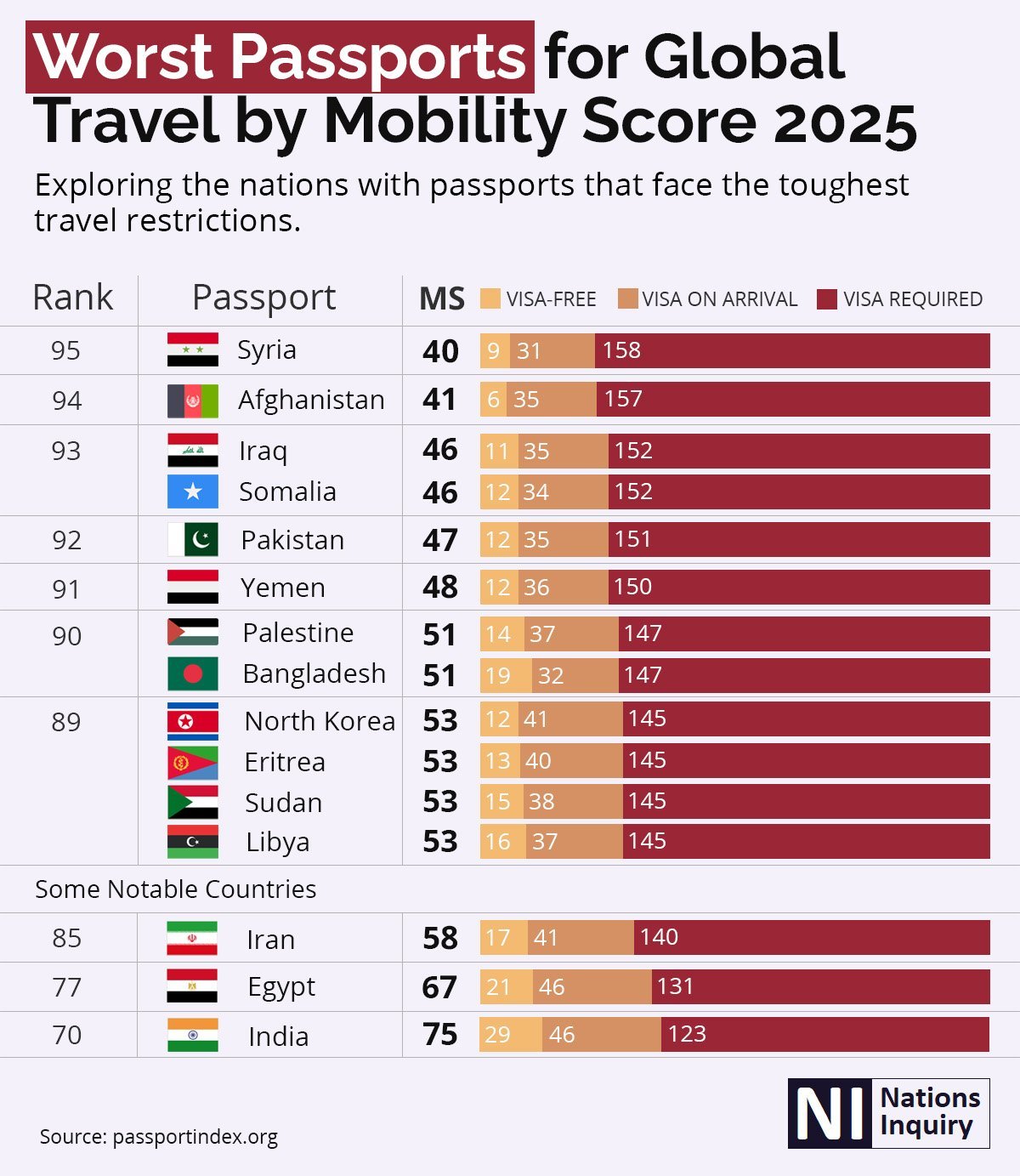
A ranked table of the twelve weakest passports in 2025, counting up from 95th, with three further countries added underneath for comparison. Each row gives a mobility score and a stacked bar splitting it into visa-free destinations, visas on arrival, and visas required in advance. Syria is last on 40 — 9 visa-free, 31 on arrival, 158 required — and Afghanistan 94th on 41. Iraq and Somalia share 93rd, Palestine and Bangladesh 90th, and four passports — North Korea, Eritrea, Sudan and Libya — share 89th on 53.
01The figures
Passport mobility score, 2025
Every row the chart prints, as text rather than pixels — 15 of them, exactly as Arton Capital (passportindex.org) published them. Country names link to their profiles.
- Four passports share 89th place. They are listed together below, in the publisher’s own order.
- Two passports share 90th place. They are listed together below, in the publisher’s own order.
- Two passports share 93rd place. They are listed together below, in the publisher’s own order.
Swipe the table sideways to see every column
Some notable countries






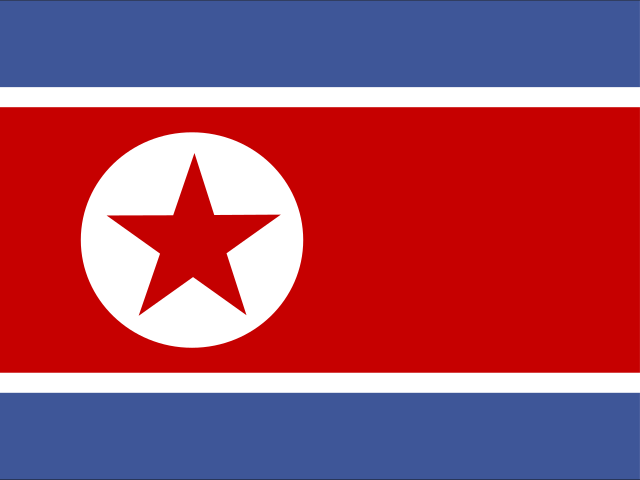


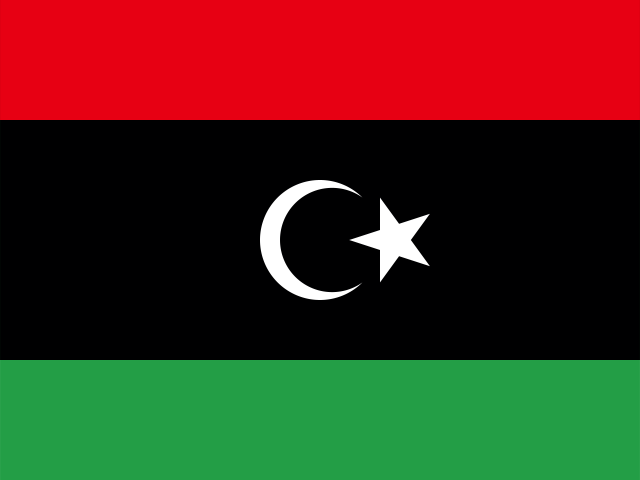


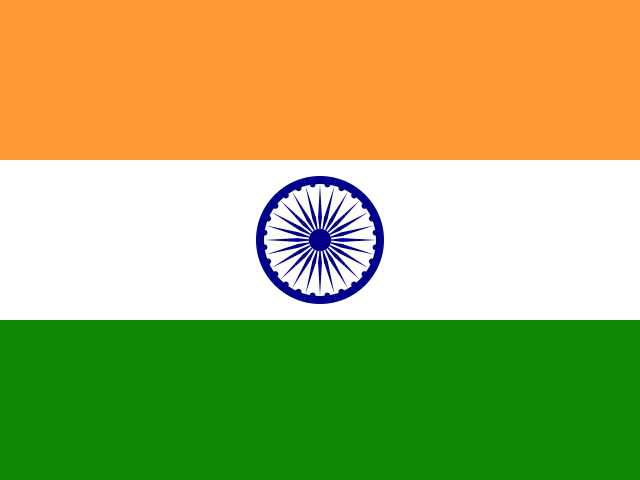
A higher rank number is the weaker passport here: 95 is the bottom of the publisher’s list. The mobility score is the number of destinations reachable without a visa applied for in advance. The last three rows are a selection the chart adds for comparison.
02Analysis
What the chart says
The Weakest Passports in the World in 2025
When the Passport Index was read on 11 January 2025, the Syrian passport was last, with a mobility score of 40. Nine countries let Syrians in without a visa and 31 more gave one on arrival. The other 158 wanted the paperwork done before the trip. Afghanistan followed on 41, then Iraq and Somalia, joint 93rd on 46. Pakistan, Yemen, Palestine and Bangladesh come next, and four passports share 89th place on 53: North Korea, Eritrea, Sudan and Libya.
The timing matters for Syria. Its government had fallen only a month earlier, after more than a decade of civil war, so this score shows how the world treated a Syrian passport at that particular moment.
Visas on Arrival Prop Up the Weakest Passports
The mobility score counts every destination you can reach without applying in advance: visa-free entry, a visa on arrival, or an e-visa issued within three working days. Near the bottom, most of each score comes from visas on arrival. Not one of the twelve weakest passports opens 20 countries visa-free, and Bangladesh comes closest with 19. Afghanistan has just six, fewer than Syria. It stays off the bottom only because 35 countries offer a visa at the border, which usually costs money, may need proof of funds and can still be refused at the desk.
Weak Passports, Unstable States
Other governments decide how strong a passport is, and they pay close attention to instability. The World Bank’s political stability estimate shows the link. In its 2025 edition, nine of these twelve countries are among the 13 lowest readings of 211. Yemen has the lowest of all, Syria the third lowest and Somalia the fourth. Bangladesh, Eritrea and North Korea are the exceptions.
Displacement tells the same story. UNHCR’s refugee figures for the end of 2025 show that five of the ten largest refugee populations by country of origin come from this chart: Syria (4.87 million), Sudan, Afghanistan, Somalia and Eritrea. UN DESA also counts more than 7.5 million emigrants each from Syria, Bangladesh and Afghanistan, which places all three among the world’s ten largest diasporas. Countries that worry about overstays and asylum claims tend to answer with a visa requirement, and it applies to every traveller, including those who only want to visit.
Leaving Home Is a Separate Question
The Passport Index asks whether other countries let you in. V-Dem’s freedom of foreign movement score asks whether your own government lets you out. In its 2025 reading, North Korea has the lowest score of the 176 countries covered, Eritrea the third lowest and Afghanistan the fifth. For their citizens, the barrier is at both ends of the journey. Pakistan and Iraq sit near the middle of that list: leaving is fairly easy, and getting in somewhere else is the hard part.
Two Indexes, Two Different Last Places
Passport rankings do not always agree. The Henley Passport Index for January 2025, which counts 227 destinations, placed Afghanistan last with 26, not Syria. Each publisher counts in its own way, so compare a score only with others from the same index and date.
How Far Away the Top Is
The comparison rows show how slowly scores rise: Iran is 85th on 58, Egypt 77th on 67 and India 70th on 75. At the top of the same index, read that week, the UAE passport scored 180 and opened 133 countries with no visa at all, almost fifteen times Syria’s nine. The full top of the table is in the world’s most powerful passports for 2025.
03Sources
Where these figures come from
Source
Passport Index — mobility score, 2025 — Arton Capital (passportindex.org)
Commercial aggregatorA commercial service that compiles the figures rather than measuring them.
The figures are from the 2025 edition, read on . This page reproduces only the 15 rows the chart itself shows, not the publisher’s full table.
How this site reads a chart — what is stored as published, whose rank is whose, when a country is named at an end, and why a chart is never refreshed.
Cite this page
“The world’s Least powerful passports for 2025”, Nations Inquiry, 2025. https://nationsinquiry.com/charts/the-worlds-least-powerful-passports-for-2025
Published · article last edited · Found an error?
04More charts